
Mole Control in Clyde Hill
When a Clyde Hill lawn gets torn up by moles, it isn't just a yard — it's a six-figure landscape investment under threat. Got Moles serves Clyde Hill with the same chemical-free, guaranteed approach we've used on nearly 5,000 Western Washington properties, scaled for the level of detail this neighborhood expects.
Call (253) 750-0211219+ Five-Star Google Reviews·Chemical-Free·Proven Results
Got Moles provides professional mole control in Clyde Hill, Washington. Chemical-free methods. Nearly 5,000 clients served since 2017. Call (253) 750-0211 for a free quote.
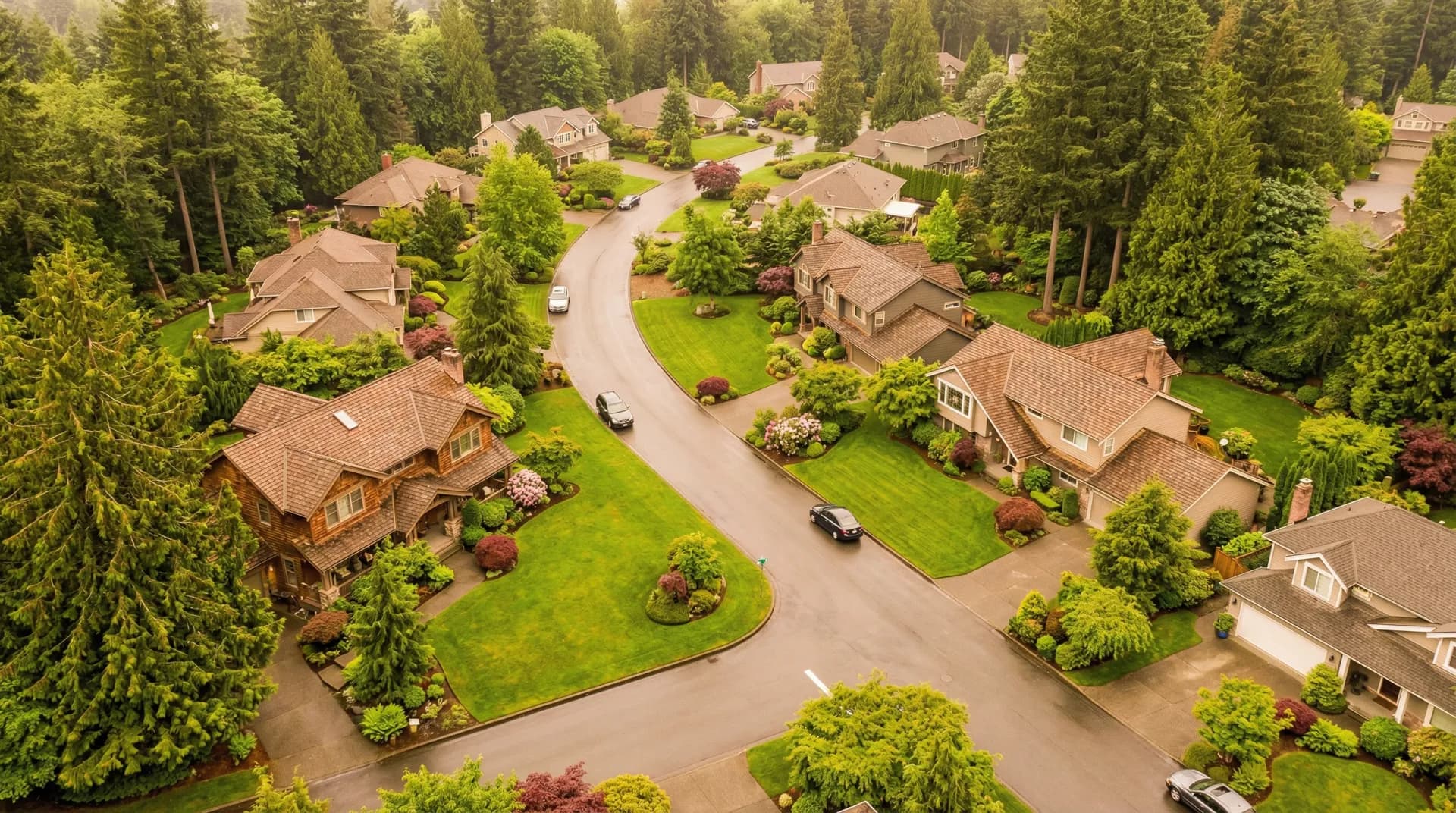
Clyde Hill is one of the most exclusive small cities on the Eastside — a hilltop enclave of large estates, mature landscaping, and sweeping views of Lake Washington, downtown Seattle, and the Olympics. Bordered by Bellevue, Kirkland, Medina, Yarrow Point, and Hunts Point, it feels quieter and more private than any of its neighbors.
Why Moles Thrive in Clyde Hill
Clyde Hill sits on a ridge of Alderwood gravelly sandy loam with the classic hardpan layer that traps moisture in the topsoil above it. Decades of meticulous irrigation, amended planting beds, and composted lawns have built up some of the richest residential topsoil on the Eastside — perfect habitat for earthworms, which are the primary food source for Townsend's moles. Proximity to Medina Park, the Lake Washington shoreline, and the green corridors running through Bellevue and Kirkland means new moles can always move in from undeveloped ground nearby.
Moles in Clyde Hill Neighborhoods
Estate properties along 92nd Avenue NE and the streets fanning out toward Medina see the heaviest mole pressure in Clyde Hill — large, heavily irrigated lawns with mature specimen trees and deep planting beds create earthworm-dense soil moles will travel across the neighborhood to reach. Homes near Medina Park on the southwest edge deal with regular reinvasion from the park's undisturbed ground. Properties with slopes facing Lake Washington concentrate moisture (and mole activity) in the lower, flatter sections of the lot. Even the smaller lots toward the Bellevue border see moles moving in through shared tunnel systems that run under multiple connected yards.
How We Help Clyde Hill Homeowners
Year-Round Protection
$100/month
Our Total Mole Control Program keeps your yard protected all year. Regular visits, immediate response to new activity, and a report after every check.
Get Year-Round Protection→One-Time Removal
$450 flat rate
A focused, one-month eradication program for properties under 1 acre. 4-5 weekly visits. If we don't catch a mole, you only pay the $150 setup fee.
Get One-Time Removal→Commercial
Custom quote
Annual contracts for property managers, HOAs, sports facilities, and commercial grounds. Professional reporting, reliable scheduling.
Get a Commercial Quote→Local Tip
Clyde Hill homeowners often spot the first damage in the spring, right after the irrigation system turns back on and the soil softens. That's when moles expand their tunnel networks. Calling at the first mound — not the fifth — saves thousands in lawn restoration.
How It Works
Call
Tell us about your property
Inspect
We assess the mole activity
Trap
Professional equipment on active tunnels
Report
Results after every visit
Clyde Hill Mole Control FAQ
I just invested heavily in new landscaping. How quickly can you protect it?
Call us the moment you see the first mound. Fresh landscaping is prime mole territory — the soil is loose, amended, and easy to tunnel through. We typically schedule inspections within two business days and prioritize new installs because damage accelerates fast on freshly worked ground.
Are your methods safe around my kids, pets, and garden?
Completely. We use professional body-gripping traps set below ground in active tunnels. Nothing is on the surface, nothing enters the soil, no chemicals, no poisons. Gardens, lawns, pets, and children are unaffected during and after treatment.
My gardener tried grub killer. Why did that fail?
Townsend's moles in our area eat earthworms as their primary food, not grubs. Killing grubs does nothing to their food supply and can actually harm the soil ecology your lawn depends on. Direct removal through professional trapping is the only method with a reliable success rate.
Can mole tunnels damage irrigation lines or hardscape?
Yes. Tunnels can shift drip lines, disrupt sprinkler heads, and create soft spots under patios, pavers, and walkways. In Clyde Hill, where hardscape budgets are significant, the secondary damage from ignored mole activity routinely costs more than the initial lawn repair.
Do you work discreetly? We prefer privacy on our property.
Absolutely. We arrive in clearly marked vehicles, work efficiently, and coordinate with property managers, gardeners, or estate staff on your schedule. A lot of Clyde Hill work happens without the homeowner on site.
How does the ongoing program work for a property like mine?
The Total Mole Control Program provides year-round monitoring and trapping. For Clyde Hill estates that border natural areas or other large properties, ongoing protection intercepts new moles before they establish — which is the most cost-effective way to protect a landscape at this level.
Ready for Mole-Free Living in Clyde Hill?
Call (253) 750-0211 or fill out the form below.
CALL (253) 750-0211Free inspection. No obligation.