
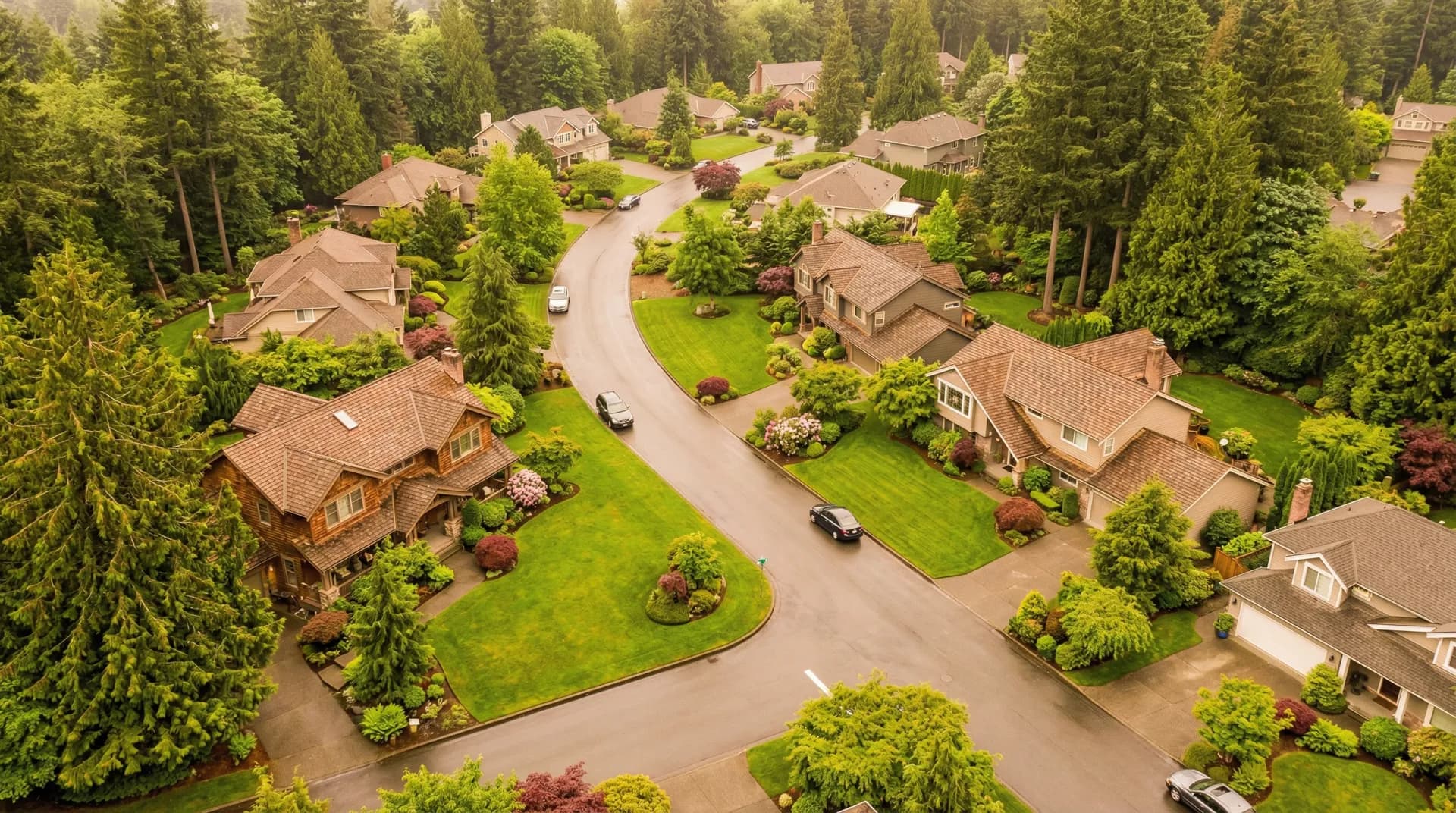
Mole Control in Green River
No valley in King County produces mole habitat like the Green River Valley. Deep alluvial soil, a high water table, and decades of agricultural ground all combine into exactly the conditions Townsend's moles thrive in. Got Moles has worked this valley since 2017, from small-acreage properties to residential yards tucked between industrial parks. Chemical-free, safe for kids, pets, and livestock.
Call (253) 750-0211219+ Five-Star Google Reviews·Chemical-Free·Proven Results
Got Moles provides professional mole control in Green River, Washington. Chemical-free methods. Nearly 5,000 clients served since 2017. Call (253) 750-0211 for a free quote.
The Green River Valley stretches from Auburn up through Kent, a working landscape with deep roots — farmland, warehouses, small-acreage properties, and the river itself winding through it all. The Green River Natural Resources Area, the Green River Trail, and the remnants of the Lower Green River Agricultural Production District keep the valley's farming heritage alive even as the land around it has filled in.
Why Moles Thrive in Green River
The Green River Valley was built by thousands of years of river flooding, depositing deep, rich alluvial soil across the valley floor. Before the Howard A. Hanson Dam was completed in 1962, annual floods continuously rebuilt the soil profile and kept it saturated. Today that same soil is deep, loamy, and still holds moisture thanks to the valley's high water table and 38+ inches of annual rainfall. Earthworm populations in valley soil are among the densest in King County, and Townsend's moles respond accordingly. The mix of residential yards, small farms, and the remaining agricultural land in the Lower Green River APD gives moles a permanent habitat reservoir.
Moles in Green River Neighborhoods
Properties along the Green River Trail and the river corridor itself see the most persistent mole pressure because of the consistently high soil moisture along the riparian zone. Small-acreage parcels in the agricultural district between Kent and Auburn deal with moles moving freely between tilled ground, pasture, and residential yards — there's no clean boundary. Yards backing onto the Green River Natural Resources Area face constant reinvasion from the 300+ acres of protected wetland habitat. Homes in the flatter sections closer to the river have softer, wetter soil and heavier mole activity than properties on the valley shoulders closer to Kent's East Hill or Auburn's South Hill. Even commercial and mixed-use properties with landscaped green space along West Valley Highway see moles regularly.
How We Help Green River Homeowners
Year-Round Protection
$100/month
Our Total Mole Control Program keeps your yard protected all year. Regular visits, immediate response to new activity, and a report after every check.
Get Year-Round Protection→One-Time Removal
$450 flat rate
A focused, one-month eradication program for properties under 1 acre. 4-5 weekly visits. If we don't catch a mole, you only pay the $150 setup fee.
Get One-Time Removal→Commercial
Custom quote
Annual contracts for property managers, HOAs, sports facilities, and commercial grounds. Professional reporting, reliable scheduling.
Get a Commercial Quote→Local Tip
In the Green River Valley, after heavy rain is when moles do the most visible damage. The water table rises, deep tunnels flood, and moles push to the surface — which is exactly when you see the freshest mounds. If you spot new activity right after a wet stretch, act quickly; the tunnel network expands fast in soft valley soil.
How It Works
Call
Tell us about your property
Inspect
We assess the mole activity
Trap
Professional equipment on active tunnels
Report
Results after every visit
Green River Mole Control FAQ
I have a small hobby farm in the valley with livestock. Is trapping safe around animals?
Yes. Our professional body-gripping traps are placed underground in active tunnels and are not accessible or visible from the surface. We work around livestock regularly on valley properties — horses, goats, chickens, dogs. Nothing we use contacts animals or enters the soil as a chemical.
My yard is right next to the Green River Natural Resources Area. Will I always have mole problems?
Properties bordering protected wetland face the highest reinvasion pressure anywhere in the valley. One-time removal handles the current infestation, but the Total Mole Control Program is the right call for properties like yours — it intercepts new moles at the boundary before they establish tunnel networks in your lawn.
The ground in my yard is soft and collapses under my feet in places. Is that from moles?
Almost certainly. Valley alluvial soil is soft to begin with, and extensive mole tunneling creates collapse zones where the ground gives way. On lawns and driveways, this can become a tripping hazard and a mower hazard. Clearing the moles stops the new tunneling; the existing soft spots can then be rolled and reseeded.
Do moles in the valley eat my vegetable garden?
Moles are insectivores — they eat earthworms, grubs, and soil invertebrates, not plants. But their tunneling tears through root systems, dries out beds, and creates pathways voles use to reach bulbs and roots. Removing the moles protects both the direct tunneling damage and the secondary vole damage.
How do you handle larger valley properties with acreage?
We scope the active mole zones rather than trying to clear an entire property of wild habitat. On acreage, we focus on the high-value areas — lawns, paddocks, garden zones, landscaped ground around the house — and set up monitoring at the boundary with wilder sections. It's more effective and more cost-efficient than treating everything.
Ready for Mole-Free Living in Green River?
Call (253) 750-0211 or fill out the form below.
CALL (253) 750-0211Free inspection. No obligation.