
Mole Control in Duvall
The Snoqualmie Valley's alluvial floodplain is some of the richest farmland in King County — and it's also prime territory for Townsend's moles. Duvall properties deal with river-fed soil moisture that keeps moles active 12 months a year. Got Moles knows this valley and these conditions.
Call (253) 750-0211219+ Five-Star Google Reviews·Chemical-Free·Proven Results
Got Moles provides professional mole control in Duvall, Washington. Chemical-free methods. Nearly 5,000 clients served since 2017. Call (253) 750-0211 for a free quote.
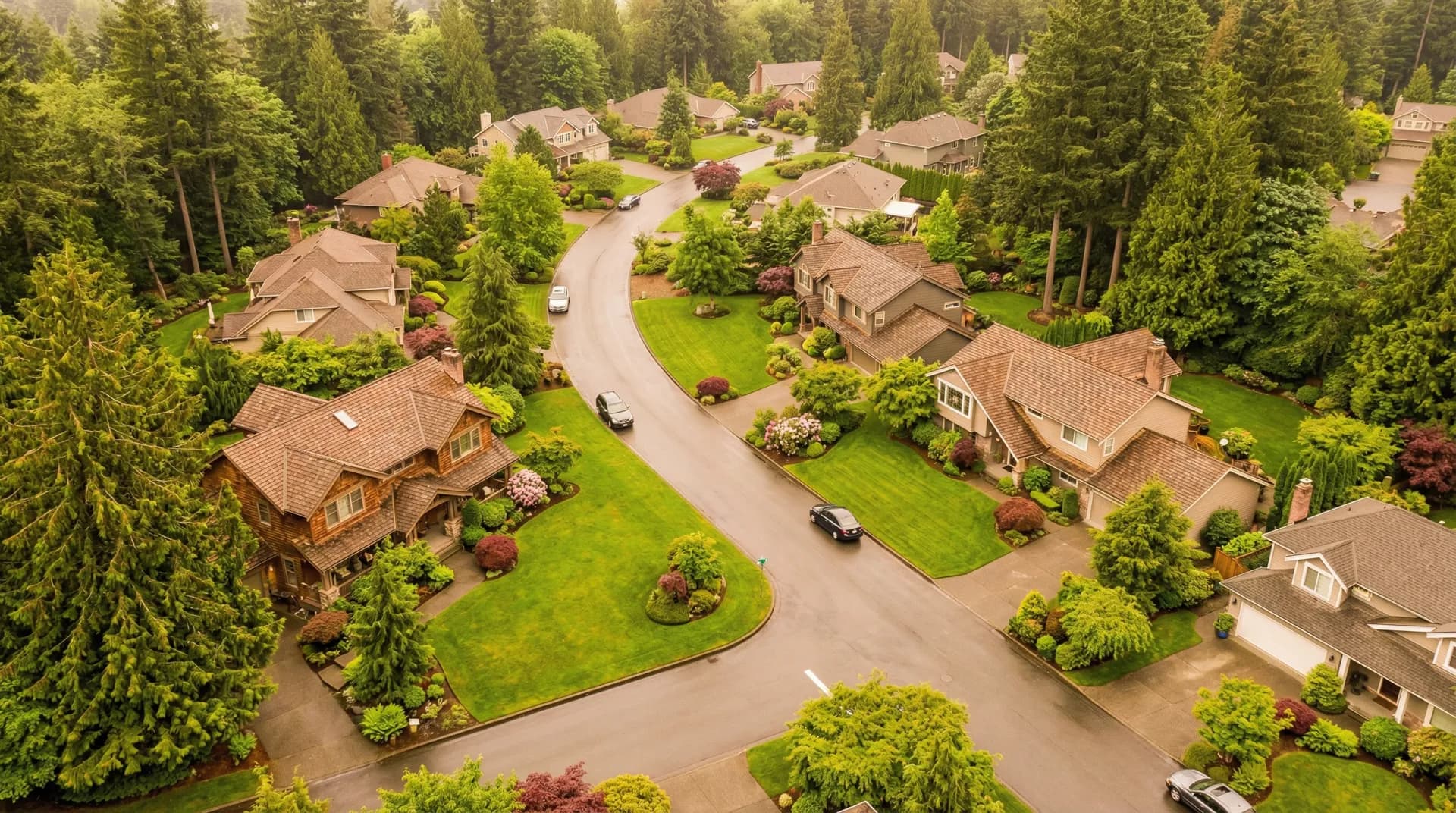
Duvall is a small town in the Snoqualmie Valley that still feels like the farming community it was built from. Main Street's locally owned shops, the Big Rock Garden, and views of the Cascades from every direction keep Duvall rooted despite the growth pressure pushing east from the metro. It's a place where people know their neighbors and the pace of life matches the river.
Why Moles Thrive in Duvall
Duvall sits in the Snoqualmie River floodplain, where centuries of river-deposited alluvial soil have created deep, rich, moisture-retentive ground. The floodplain here is over a mile wide, and the water table stays high year-round. The valley's agricultural heritage means the topsoil has been worked and enriched for over a century, producing earthworm densities that rival anywhere in the county. Seasonal flooding deposits fresh organic material that keeps the cycle going.
Moles in Duvall Neighborhoods
Properties in Duvall's historic downtown, close to the river, have the deepest alluvial soil and most persistent mole populations. The newer developments on the eastern edge of town, built on former farmland, face moles colonizing the freshly irrigated landscaping. Properties along Cherry Valley Road deal with moles following the agricultural corridor. The areas near Big Rock, with their mix of residential and rural land, see moles moving freely between pastures and maintained yards. Even properties on the slightly higher ground above the valley floor deal with moles, though activity is somewhat seasonal.
How We Help Duvall Homeowners
Year-Round Protection
$100/month
Our Total Mole Control Program keeps your yard protected all year. Regular visits, immediate response to new activity, and a report after every check.
Get Year-Round Protection→One-Time Removal
$450 flat rate
A focused, one-month eradication program for properties under 1 acre. 4-5 weekly visits. If we don't catch a mole, you only pay the $150 setup fee.
Get One-Time Removal→Commercial
Custom quote
Annual contracts for property managers, HOAs, sports facilities, and commercial grounds. Professional reporting, reliable scheduling.
Get a Commercial Quote→Local Tip
Duvall's floodplain soil is so rich and moisture-retentive that moles stay shallow year-round — even in summer when upland moles tunnel deeper. If you see moles slowing down in July or August, they're not leaving — they're just in the cooler, deeper layer of your extraordinary soil.
How It Works
Call
Tell us about your property
Inspect
We assess the mole activity
Trap
Professional equipment on active tunnels
Report
Results after every visit
Duvall Mole Control FAQ
We have a hobby farm with both pasture and lawn. Can you treat the whole property?
We recommend prioritizing the areas that matter most to you — lawn, garden beds, and the areas around structures. Treating pasture is possible but less cost-effective because moles recolonize from the broader valley. A boundary approach between your maintained and agricultural areas is the most practical.
Does the Snoqualmie River flooding affect mole activity?
Brief flooding pushes moles to higher ground on your property, but they return as soon as the water recedes. Flooding actually deposits fresh organic matter that feeds earthworm populations, which can increase mole activity after the water drops.
Our neighbor's farmland seems to be the source of our moles. What can we do?
Farmland is excellent mole habitat, and you can't control what happens on adjacent agricultural property. Ongoing protection on your property intercepts moles as they cross the boundary. It's the most effective approach for farm-adjacent homes in the valley.
Are the moles here bigger than in other areas?
Townsend's moles are the same species across Western Washington. They can seem larger in the Snoqualmie Valley because the rich soil and abundant food supply support well-fed, robust individuals. The treatment approach is the same regardless.
We're thinking about raised garden beds. Will that help with moles?
Raised beds protect the garden if you line the bottom with half-inch hardware cloth before filling. Without the mesh, moles will tunnel up into raised beds because the amended soil is even more earthworm-dense than the ground around them.
Ready for Mole-Free Living in Duvall?
Call (253) 750-0211 or fill out the form below.
CALL (253) 750-0211Free inspection. No obligation.