
Mole Control in Seattle
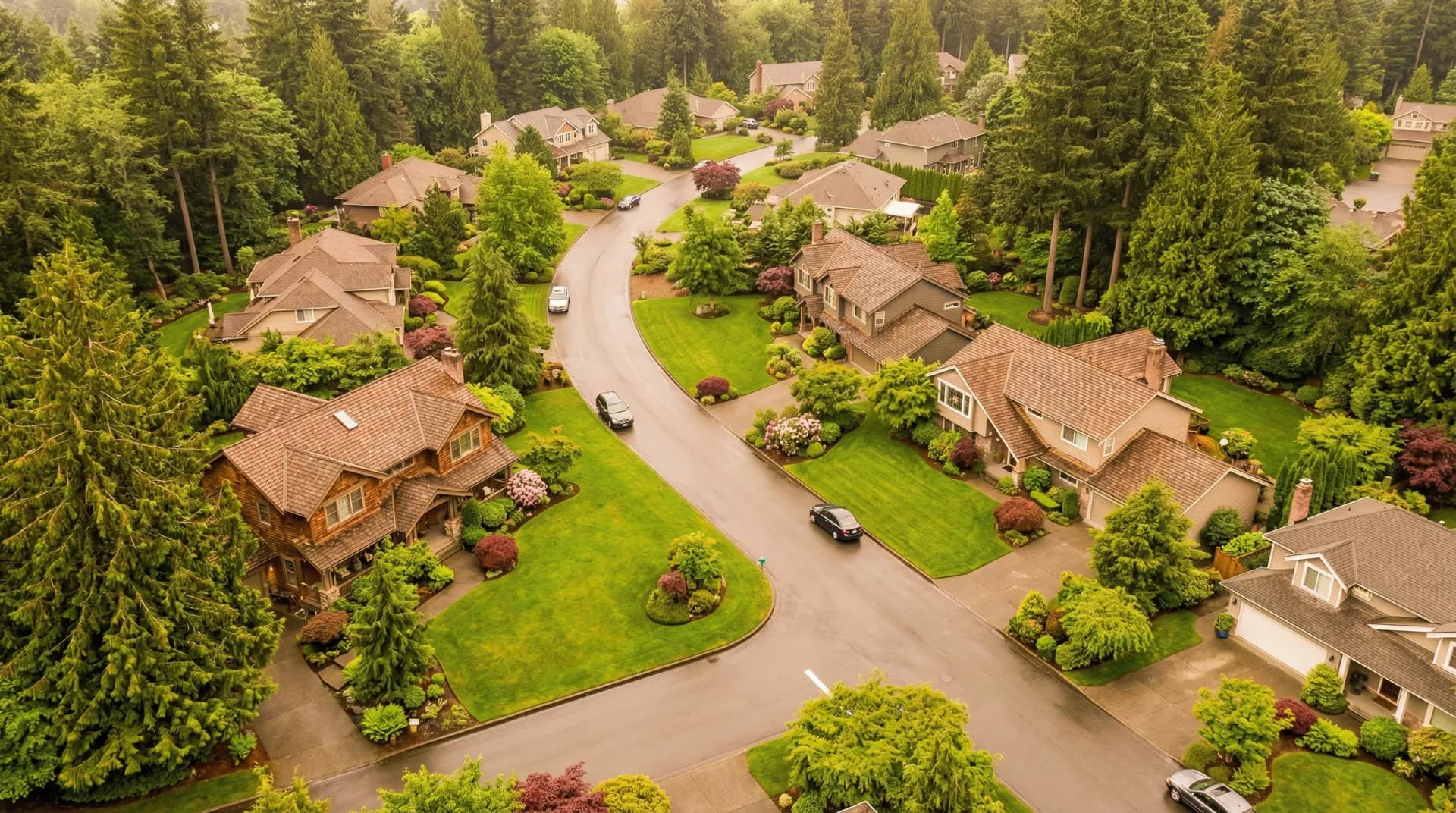
People assume moles are a suburban problem. They're not. Seattle's rain-soaked soil, mild winters, and abundant green space make every neighborhood viable mole territory. Got Moles handles mole problems across the city, from compact Wallingford lots to the larger yards of Magnolia and Wedgwood.
Call (253) 750-0211219+ Five-Star Google Reviews·Chemical-Free·Proven Results
Got Moles provides professional mole control in Seattle, Washington. Chemical-free methods. Nearly 5,000 clients served since 2017. Call (253) 750-0211 for a free quote.
Seattle's neighborhoods are the city — from Ballard's maritime roots and Wallingford's bungalow charm to West Seattle's beach-town vibe and the wooded ravines of Magnolia. It's a city of hills, water, and green, where every neighborhood has its own personality and fiercely defends it.
Why Moles Thrive in Seattle
Seattle receives 37 inches of rain annually, most of it between October and May. That sustained moisture, combined with mild temperatures that rarely freeze the ground, keeps earthworm populations active year-round — and earthworms are what moles eat. The city's glacial till soils, part of the Alderwood series that dominates the Puget Sound lowlands, have a hardpan layer that traps water in the top two to three feet. Add Seattle's thousands of mature urban trees dropping organic matter into the soil, and you have mole habitat in every neighborhood.
Moles in Seattle Neighborhoods
Magnolia's bluffs and large lots see moles moving up from Discovery Park's 534 acres of natural habitat. Queen Anne's sloped yards concentrate moisture — and mole activity — in low-lying sections. Wallingford and Ravenna, with older homes and deep-rooted street trees, have some of the most established tunnel networks in the city. West Seattle neighborhoods near Lincoln Park face the same park-edge recolonization pattern. Rainier Valley's flatter terrain and community gardens provide uninterrupted ground for moles to work. Even Ballard's smaller lots aren't immune — moles move through connected yards in blocks.
How We Help Seattle Homeowners
Year-Round Mole Control
$100/month
Our Total Mole Control Program keeps your yard protected all year. Regular visits, immediate response to new activity, and a report after every check.
Get Year-Round Protection→One-Time Mole Removal
$450 flat rate
A focused, one-month eradication program for properties under 1 acre. 4-5 weekly visits. If we don't catch a mole, you only pay the $150 setup fee.
Get One-Time Removal→Commercial Mole Control
Custom quote
Annual contracts for property managers, HOAs, sports facilities, and commercial grounds. Professional reporting, reliable scheduling.
Get a Commercial Quote→Local Tip
Seattle's many urban ravines — like those in Magnolia, Carkeek, and Ravenna — are highways for moles. If your yard backs up to a ravine, expect moles to approach from that direction. Monitoring the ravine edge of your property is where early detection matters most.
How It Works
Call
Phone quote, no obligation
Book
Pay $150 setup. We schedule your first visit.
Trap
Tech inspects and sets traps on the first visit
Report
Weekly checks. Written report every visit.
Seattle Mole Control FAQ
I only have a small city lot. Is it worth calling for one or two mounds?
Yes. A single mole can produce 200+ mounds per year, regardless of lot size. On a small Seattle lot, that damage covers your entire yard fast. Early intervention saves the lawn and costs less than waiting.
Do Seattle's rainy winters make the mole problem worse?
Yes. The sustained moisture keeps earthworms — the mole's primary food — active near the surface for months. Winter and early spring are actually peak mole season in Seattle, not summer.
I rent my home. Can I still request service, or does my landlord need to call?
Either of you can contact us. We work with both homeowners and tenants. Many Seattle renters call us directly because they care about the yard they use every day.
My neighbor has moles and doesn't care. Does that affect my yard?
It does. Moles travel between connected properties, and an untreated yard next door acts as a constant source. We can't control your neighbor's property, but ongoing protection on yours keeps new moles from establishing.
Are your methods safe for the vegetable garden in my backyard?
Completely. We use mechanical traps placed underground in active tunnels — no chemicals, no poisons, nothing that enters the soil or contacts your plants. Your garden is safe during and after treatment.
Ready for Mole-Free Living in Seattle?
Call (253) 750-0211 or fill out the form below.
CALL (253) 750-0211Free quote. No obligation.