
Mole Control Insights
Expert mole control, biology, and yard-protection advice for homeowners in Sammamish, Bellevue, Kirkland, Issaquah, Seattle, Tacoma, Puyallup, Federal Way, Renton, Kent, Enumclaw, and the rest of Western Washington. 35+ in-depth articles by Spencer Hill — US Army veteran, founder of Got Moles, and a 15+ year specialist with nearly 5,000 jobs across the Puget Sound lowlands. Every article is grounded in real field experience with the three native Washington mole species: Townsend’s, Pacific Coast, and Shrew mole.
What Species of Moles Live in Washington State? The 3 Native Moles Explained
Three mole species live in Washington State: Townsend's, Pacific Coast, and Shrew. Here's how to identify each and where they live.
April 24, 2026
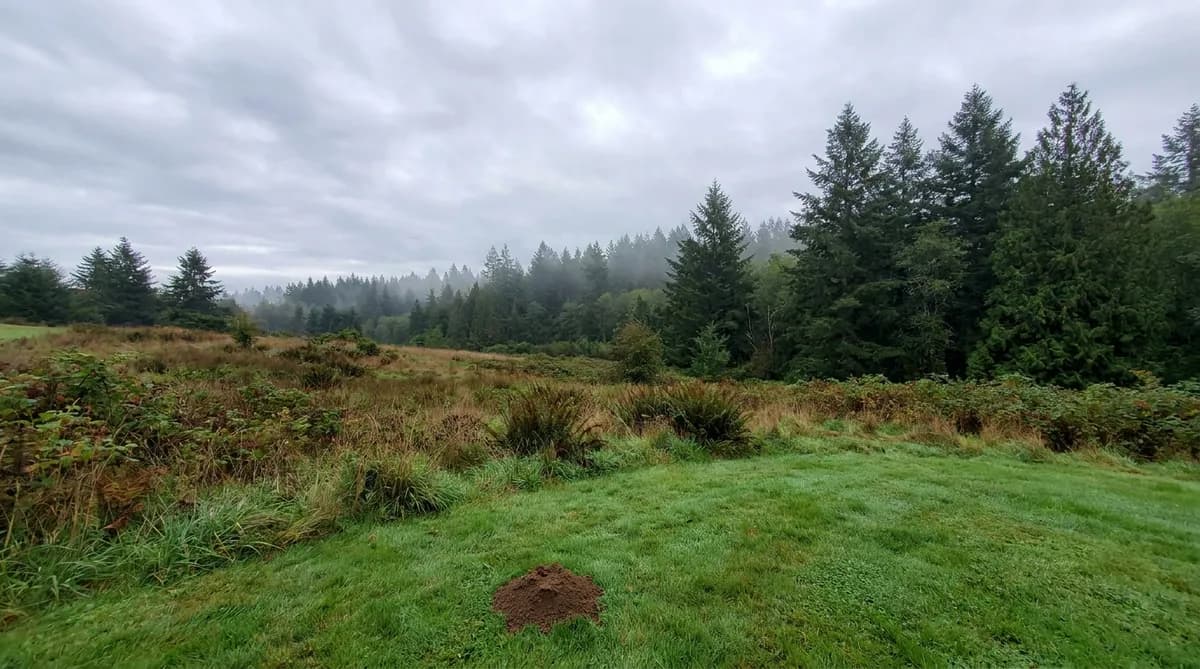
The 3 Mole Species in Washington State: A Homeowner's Identification Guide
Three mole species live in Washington — all west of the Cascades. Which one is in your yard, how to tell, and why east-side homeowners don't see moles at all.
April 20, 2026
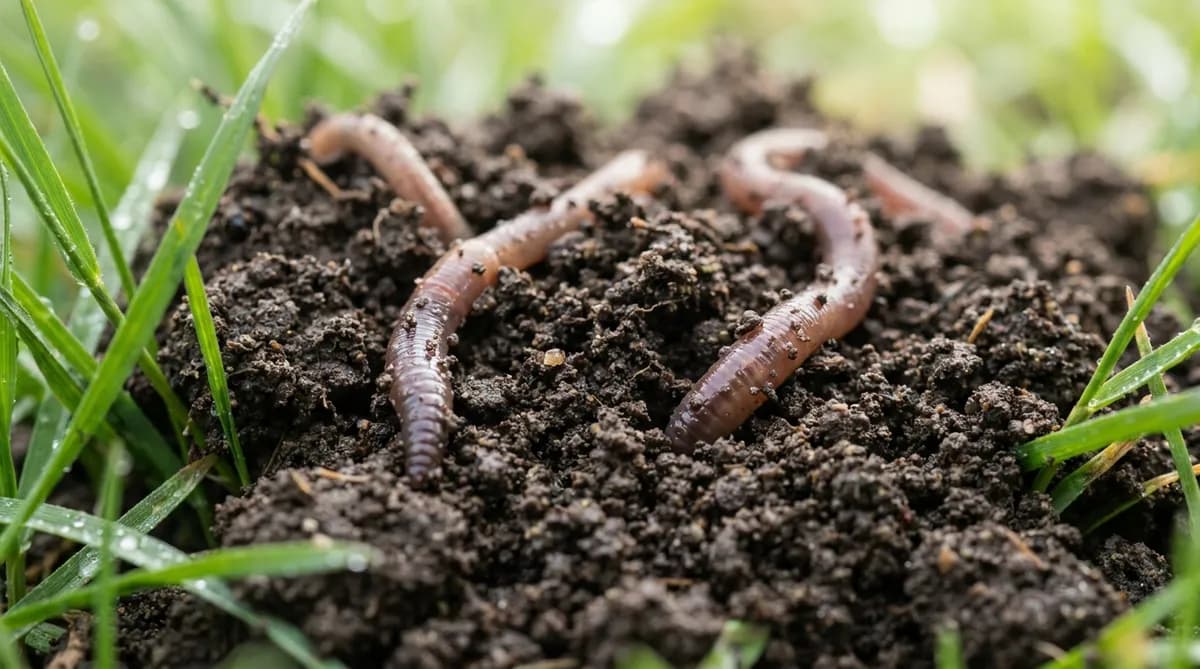
What Do Moles Eat? (And Why It Matters for Your Yard)
Moles eat earthworms, not plants. Here's what moles actually eat — and why the grub killer on your shelf won't make them leave.
April 20, 2026
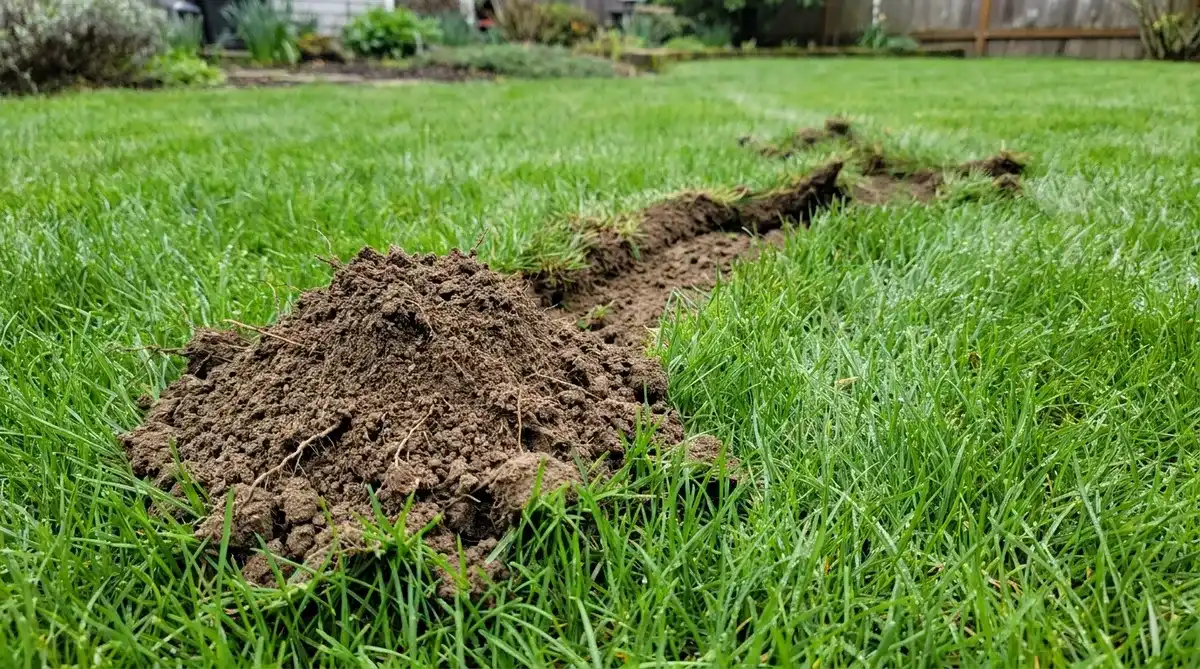
Mole vs Vole vs Gopher: How to Tell What's Destroying Your Lawn
Three animals, three damage patterns. How to tell moles, voles, and gophers apart — and why a mound in Western Washington almost always means mole.
April 20, 2026
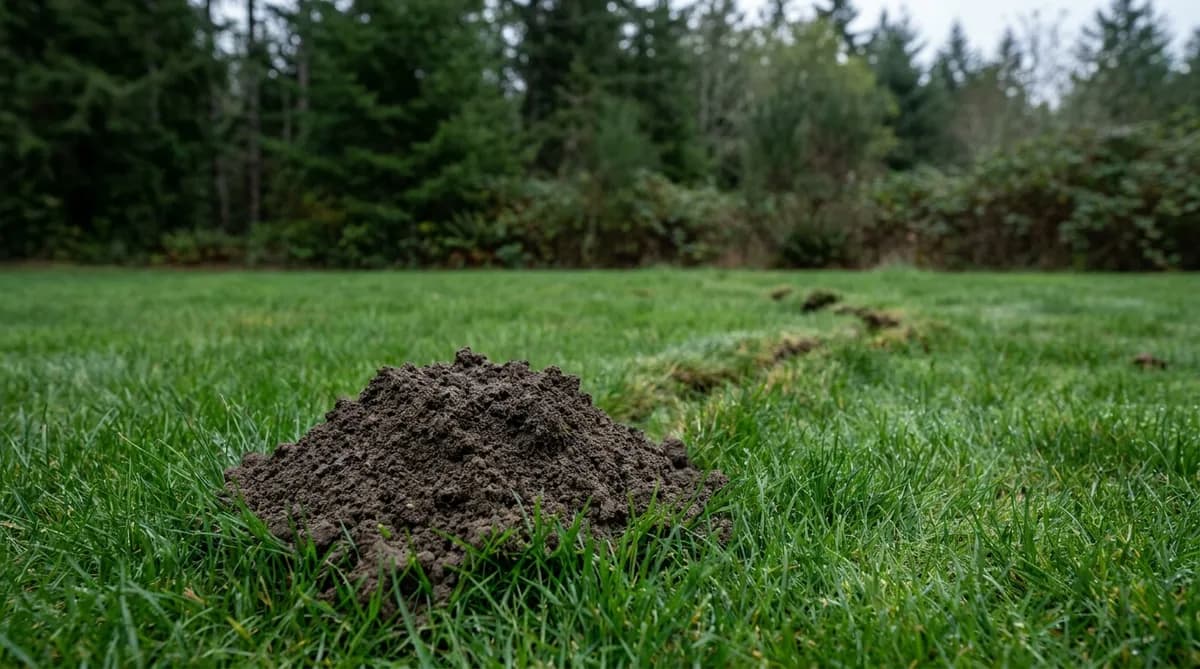
How to Get Rid of Moles in Your Yard: The Complete Guide
Most DIY mole control fails — and it's not your fault. What actually works, what to skip, and when to call a specialist in Western Washington.
April 19, 2026
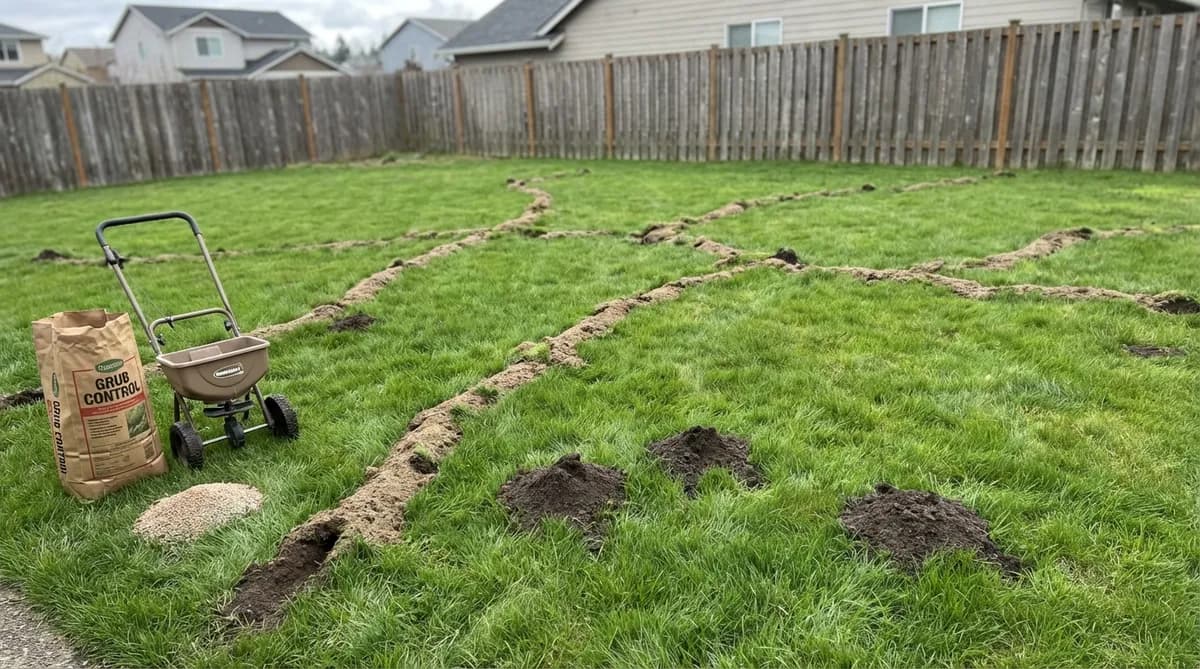
Does Grub Control Actually Get Rid of Moles? The Truth
Grub control doesn't get rid of moles. Earthworms are 55-93% of their diet — killing grubs barely dents the food supply. Here's the truth.
April 7, 2026

How Long Do Moles Live? Lifespan, Breeding, and What It Means for Washington Yards
Moles live 3-4 years and breed every spring. Here's how lifespan, territory, and juvenile dispersal affect your yard — and why moles keep coming back.
April 7, 2026
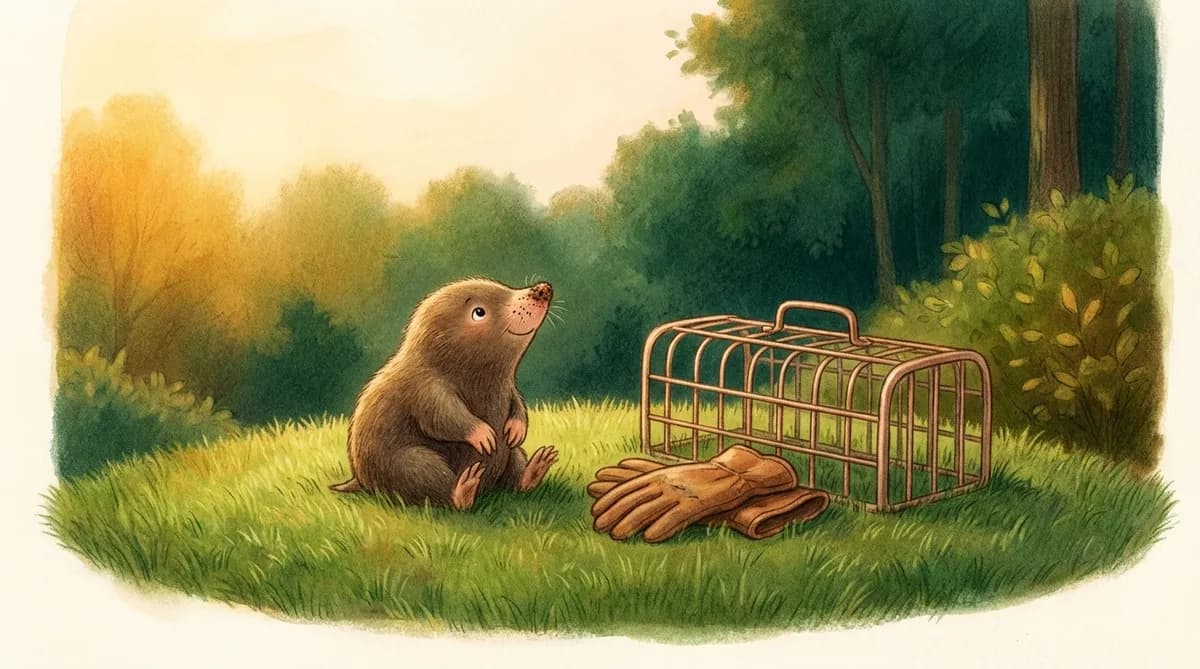
How to Get Rid of Moles Without Killing Them: The Honest Washington Guide
Most non-lethal mole methods don't work reliably. Here's an honest review of every option — and why chemical-free trapping is more humane than poison.
April 7, 2026
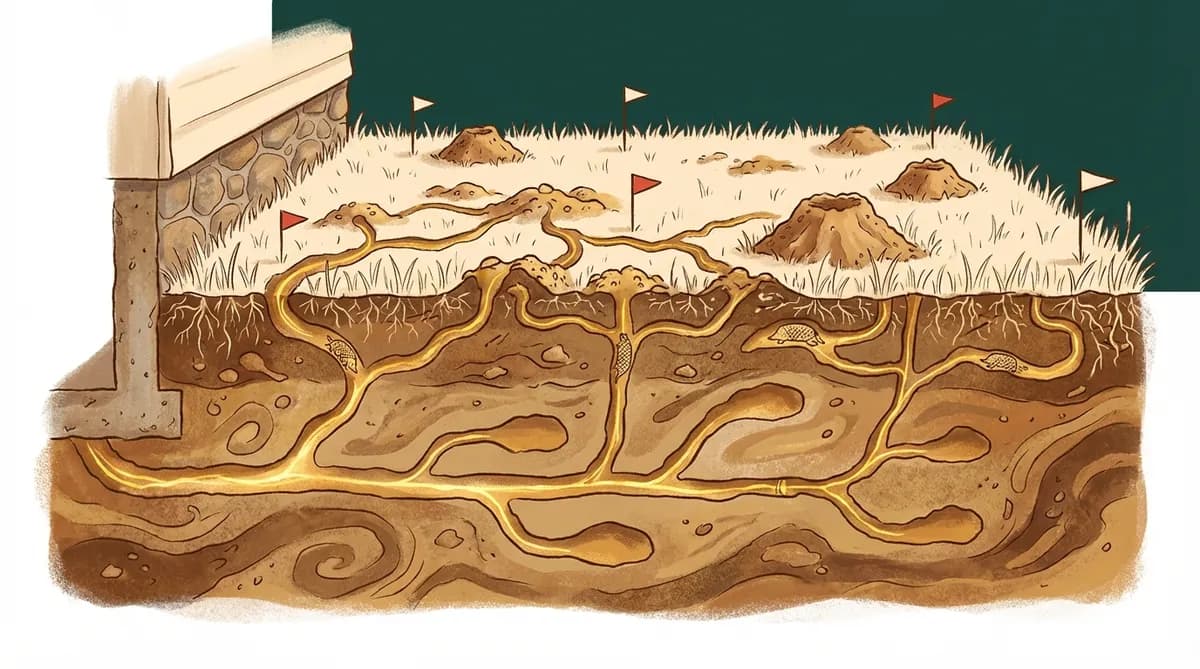
How to Find Active Mole Tunnels: The Step-by-Step Method Washington Pros Use
Setting a trap in an abandoned tunnel wastes time. Here's how to find the tunnels moles are actually using — the same method professionals use.
April 7, 2026

Are Moles Good for Your Yard? The Honest Washington Homeowner Answer
Moles aerate soil and eat pests. But for most homeowners with maintained lawns, the tunneling damage outweighs the benefits. Here's the honest breakdown.
April 7, 2026
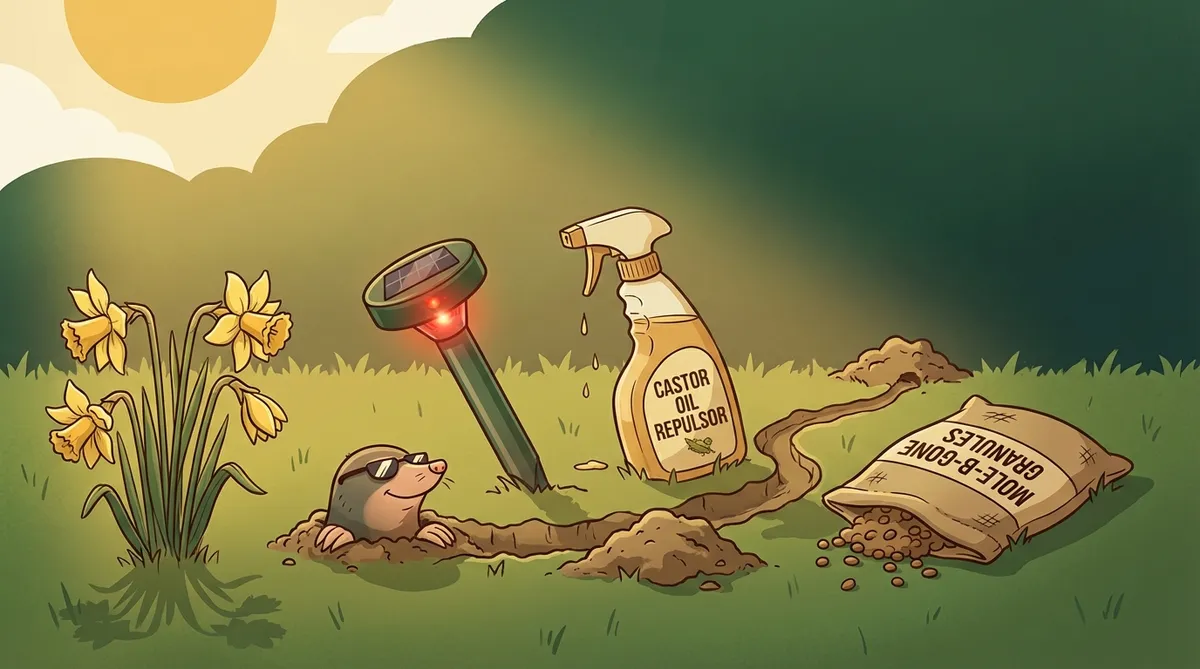
Do Mole Repellents Work? Every Major Method Reviewed Against the Science
Sonic stakes, castor oil, daffodils, grub control — we review every major mole repellent and what the research actually says.
April 7, 2026
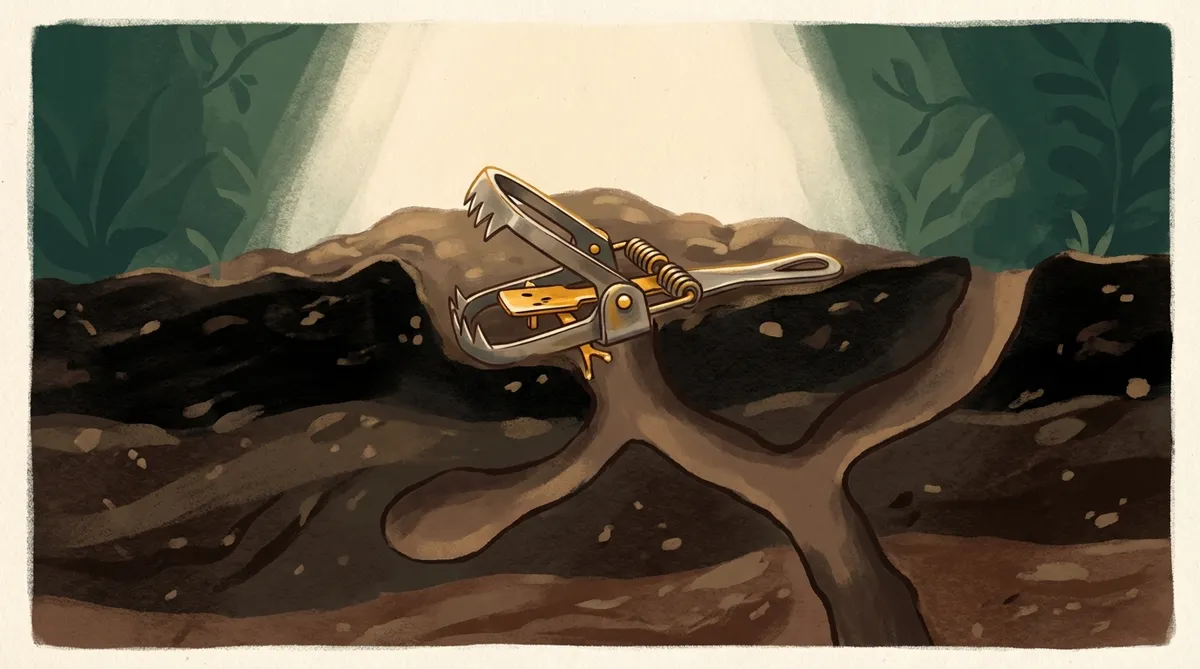
Best Mole Traps in 2026: What Actually Works (Expert Review)
The best mole trap is the one placed in the right tunnel. Here's what professionals actually use, and why placement matters more than the trap itself.
April 7, 2026

Are Moles Blind? What Moles Can Actually See and Sense
Moles aren't technically blind, but they might as well be. Their tiny eyes detect only light and dark. What they use instead is far more impressive.
April 7, 2026
Are Moles Poisonous or Venomous?
Washington mole species are not venomous. Some mole species worldwide produce mild toxins for paralyzing worms, but Townsend's and Pacific Coast moles don't.
March 31, 2026
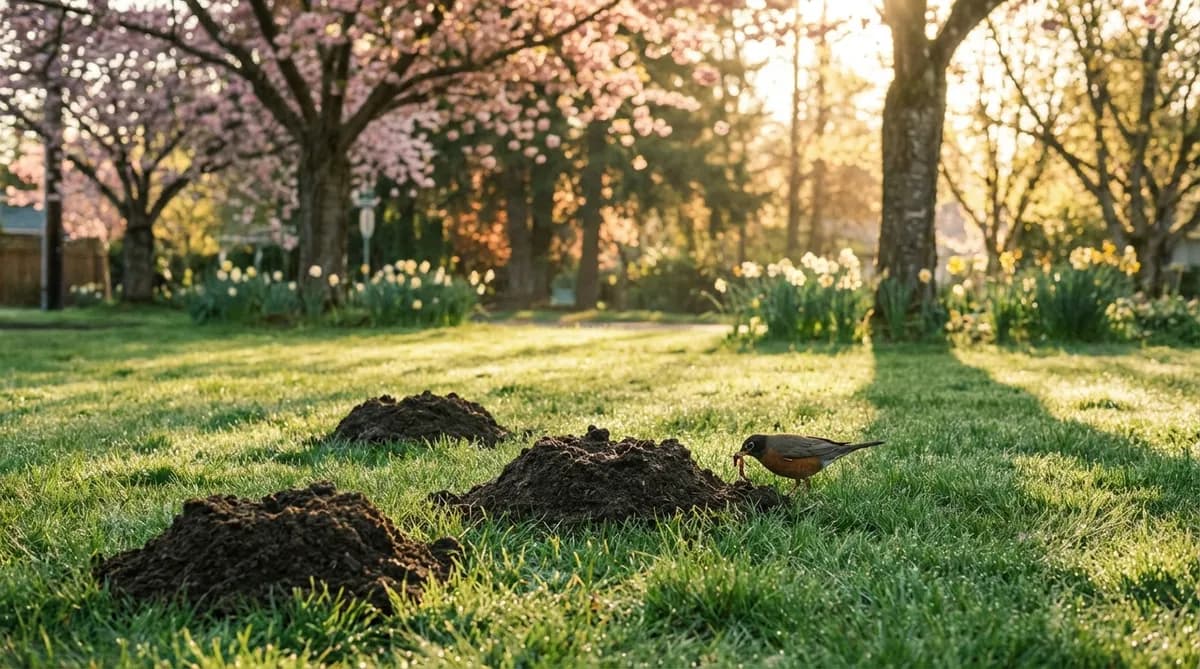
When Are Moles Most Active in Washington State?
Moles don't hibernate in Western Washington. They do have peak activity periods. Here's what to expect throughout the year.
March 27, 2026
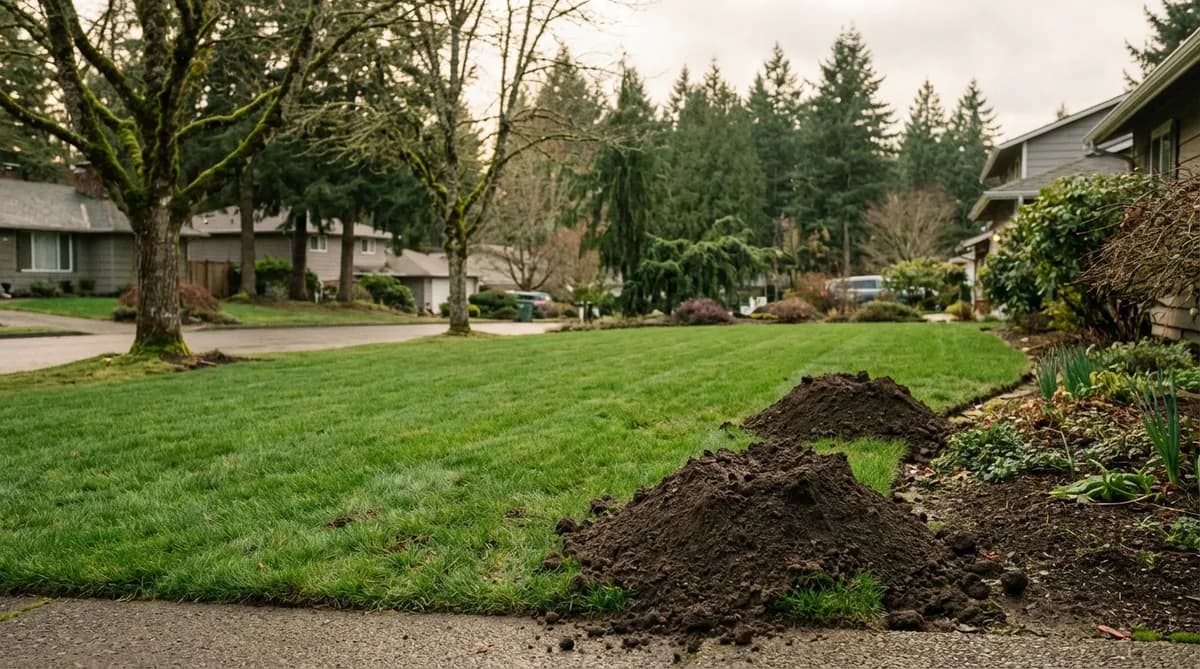
Why Do Moles Keep Coming Back After Treatment? The Biology of Reinvasion
You cleared the moles. They came back. It's not that the treatment failed — it's that moles don't respect property lines. Here's the biology behind it.
March 27, 2026
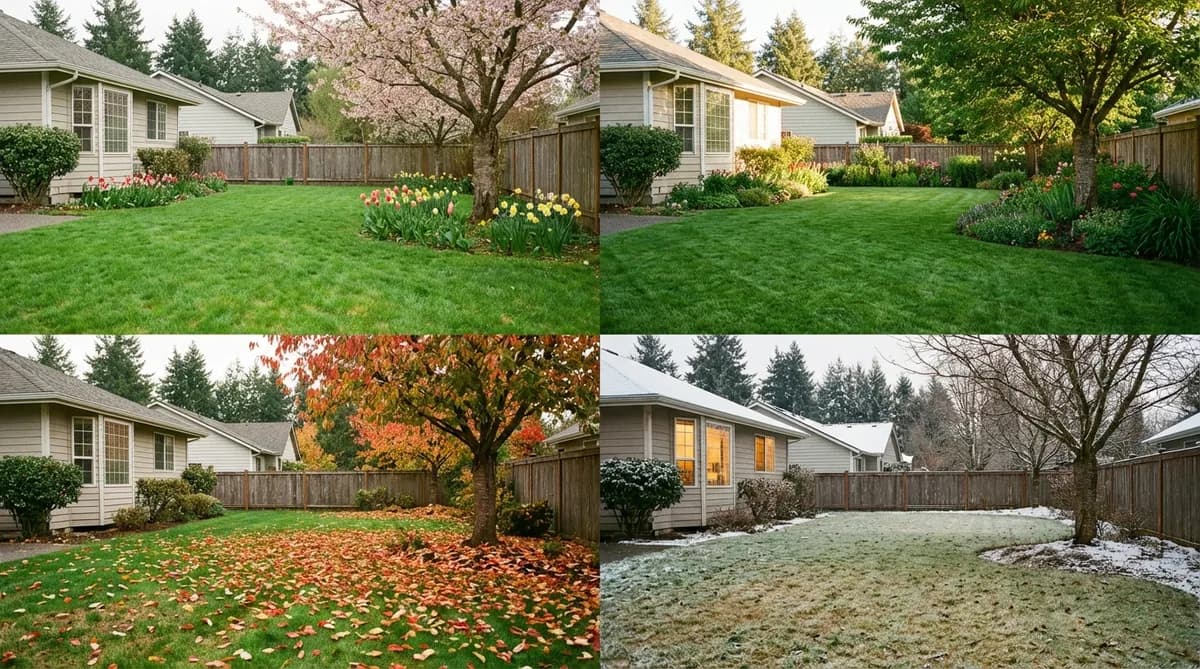
Monthly Mole Control vs One-Time Removal: Which Is Right for Your Washington Yard?
Two approaches to solving a mole problem. One fixes it now. The other makes sure it stays fixed. Here's how to decide.
March 27, 2026
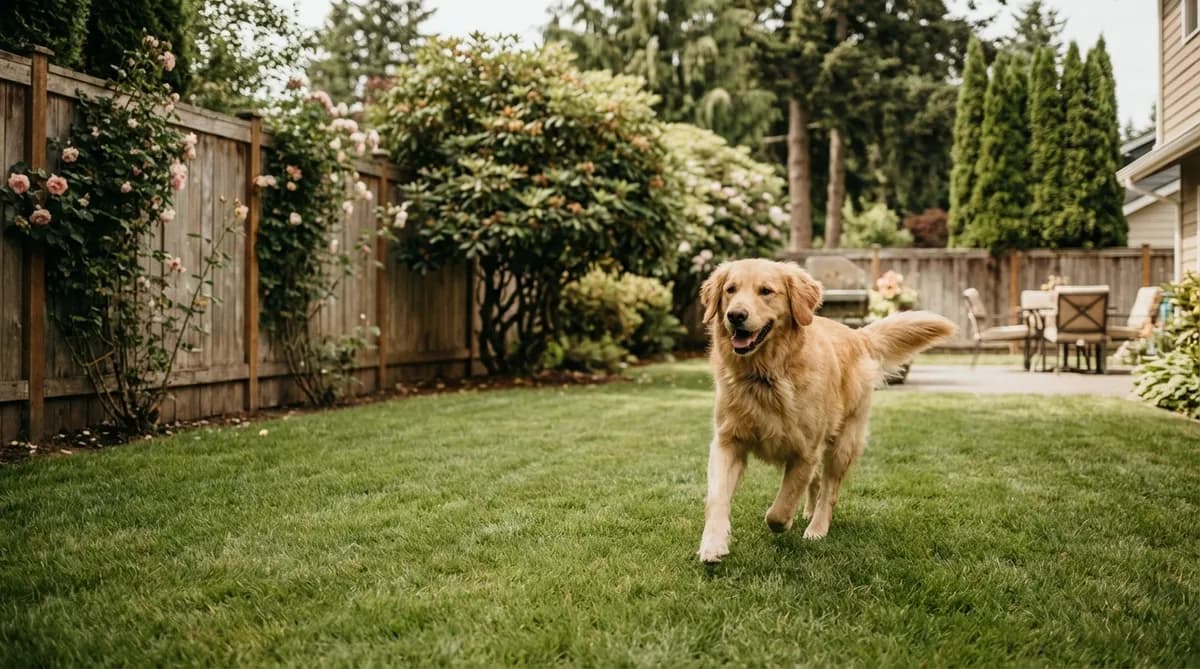
Is Mole Control Safe for Pets? A Complete Guide for Washington Dog and Cat Owners
Your dog digs at mole holes. Your cat brings home dead moles. Here's what's actually safe for pets and what can harm them.
March 27, 2026
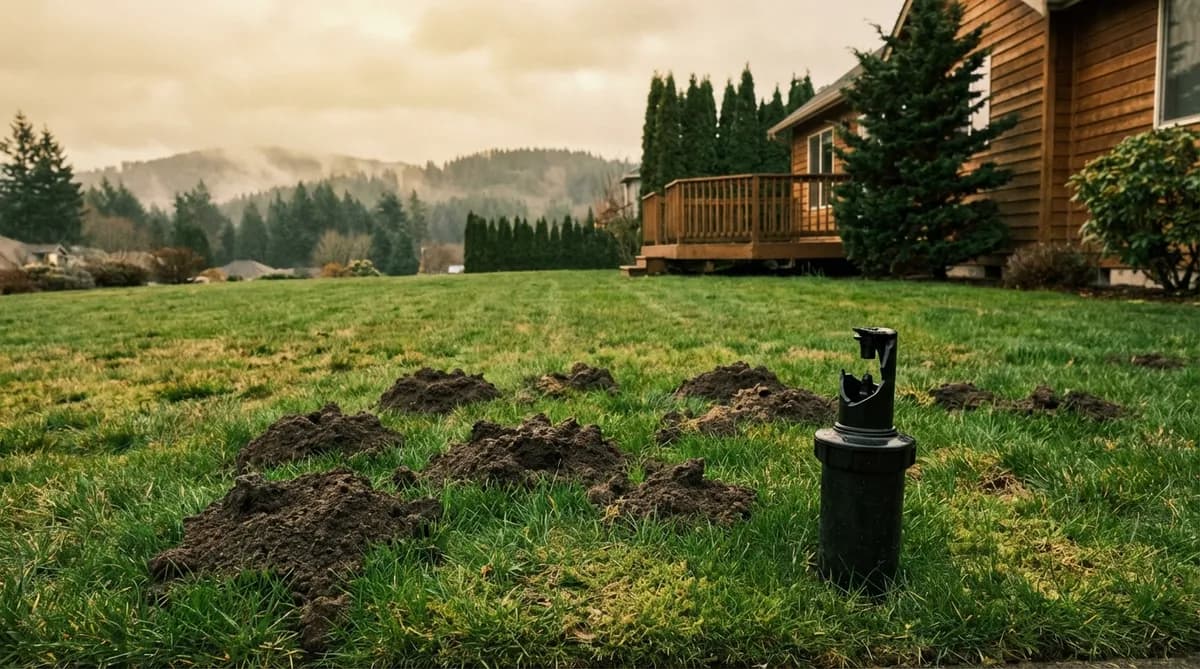
How Much Does Mole Removal Cost in Washington State? Complete 2026 Pricing Guide
A clear breakdown of mole removal costs in Washington, what affects the price, and why the cheapest quote isn't the cheapest outcome.
March 27, 2026
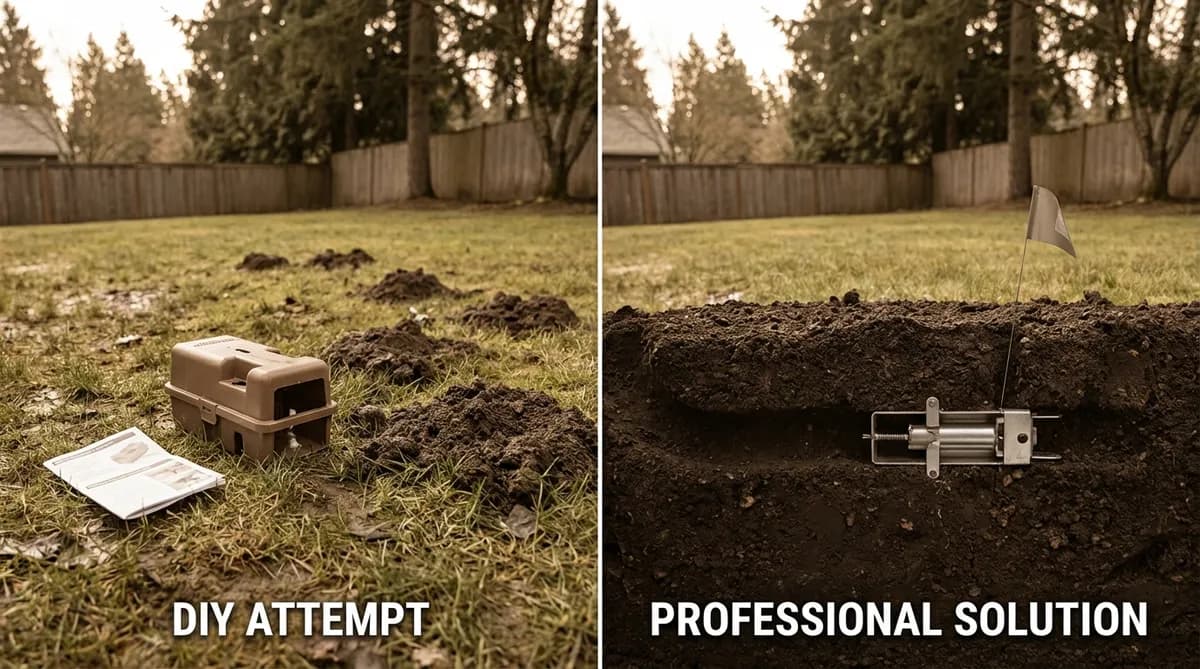
DIY Mole Traps vs Professional Mole Control: The Honest Cost-Benefit Analysis
Store-bought traps promise results. Professional services cost more. Here's the honest comparison of what works, what doesn't, and when each is the right call.
March 27, 2026
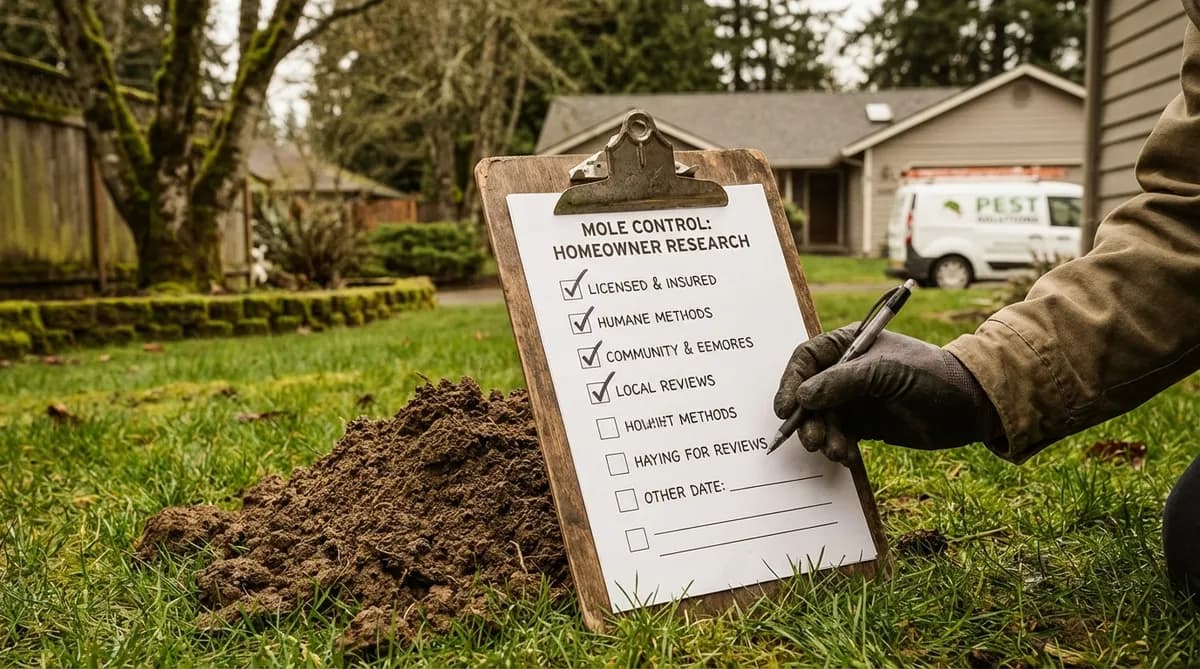
How to Choose a Mole Control Company: 7 Things to Ask
Not all mole control companies are equal. Here are seven questions to ask before you hire anyone to deal with your mole problem.
March 27, 2026
Do Moles Live in Groups?
No — moles are solitary. Each adult Townsend's mole defends its own tunnel network and only tolerates another mole during the brief winter mating window.
February 28, 2026
How Many Babies Do Moles Have?
Townsend's moles have 2 to 4 pups per litter, once a year, born March-April. Pups leave the nest around 6 weeks and disperse to claim territory.
February 1, 2026
What Eats Moles?
Owls, coyotes, hawks, and domestic cats are the main mole predators in Western Washington. Natural predation rarely clears a yard-level mole problem.
November 10, 2025
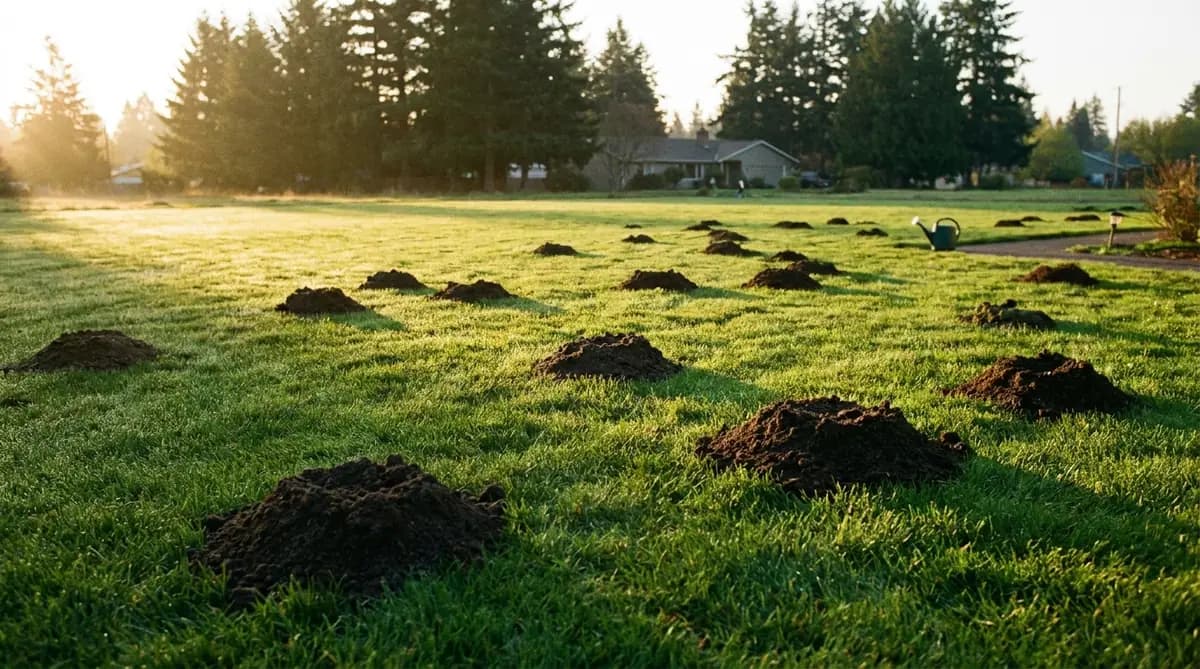
Why Do Moles Make Molehills?
Molehills are dirt-disposal mounds. As a mole tunnels, the displaced soil gets pushed up a vertical shaft. Each mound marks a tunnel — not a mole.
September 16, 2025
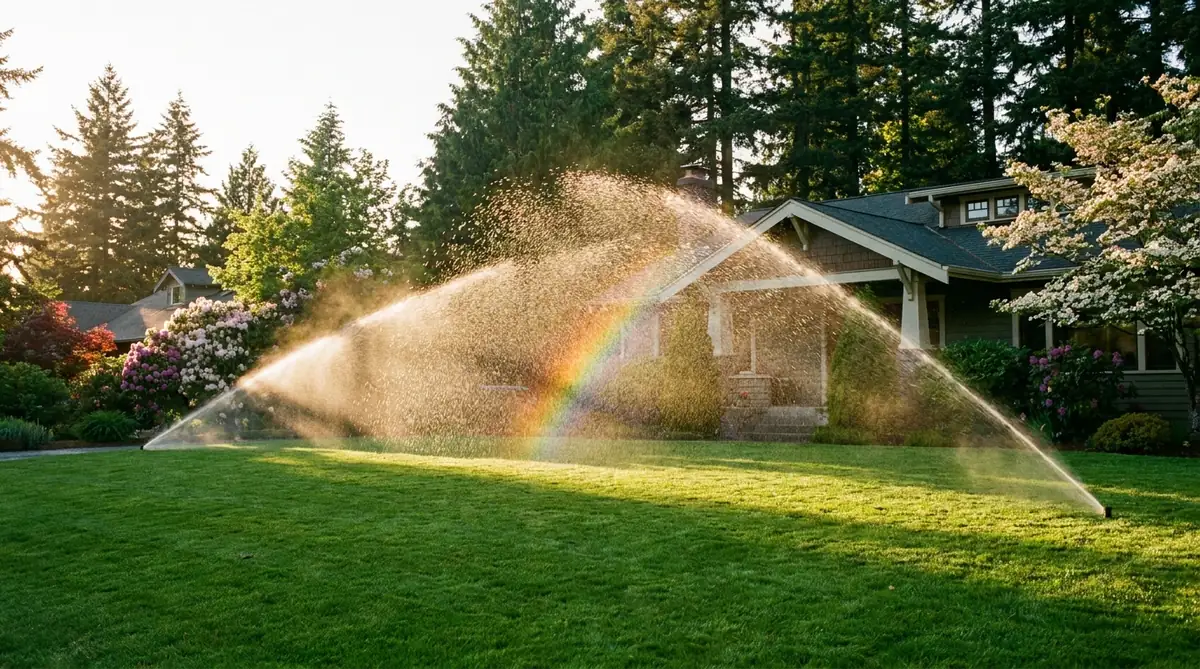
What Attracts Moles to Your Yard?
Moles target yards with moist, loose soil and abundant earthworms. Irrigated PNW lawns tick every box — which is why mole activity here is relentless.
July 28, 2025
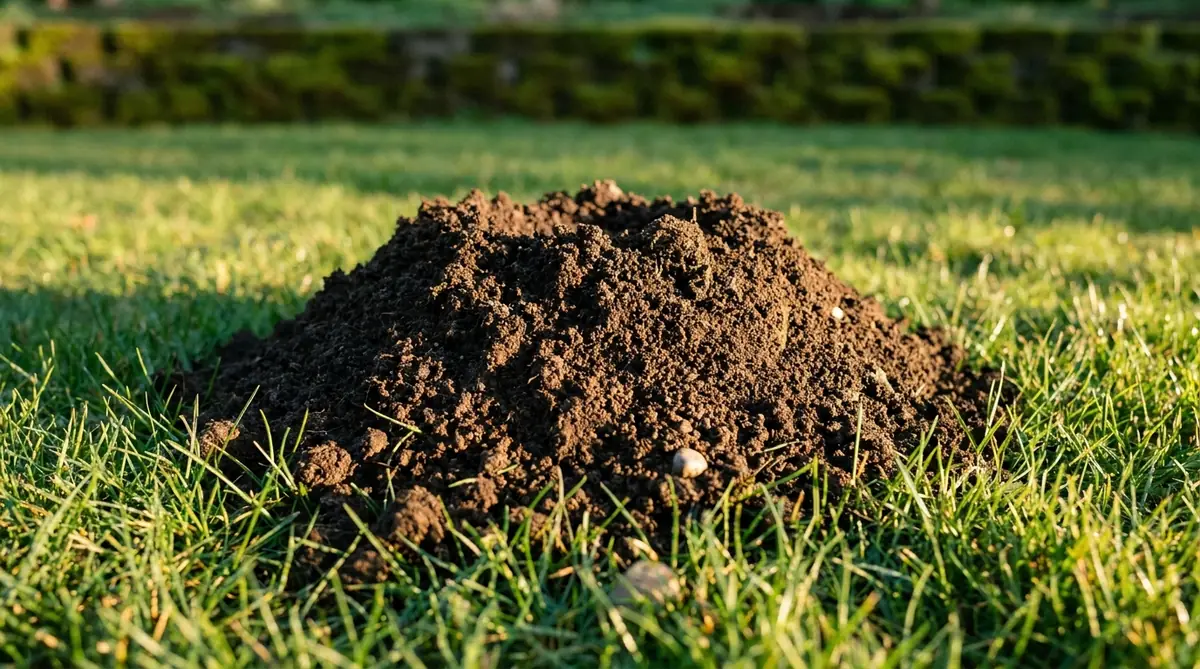
What Do Mole Holes Look Like?
Mole holes look like volcano-shaped cones of loose soil without a visible opening. Here's how to spot them and tell them from gopher or vole damage.
June 2, 2025
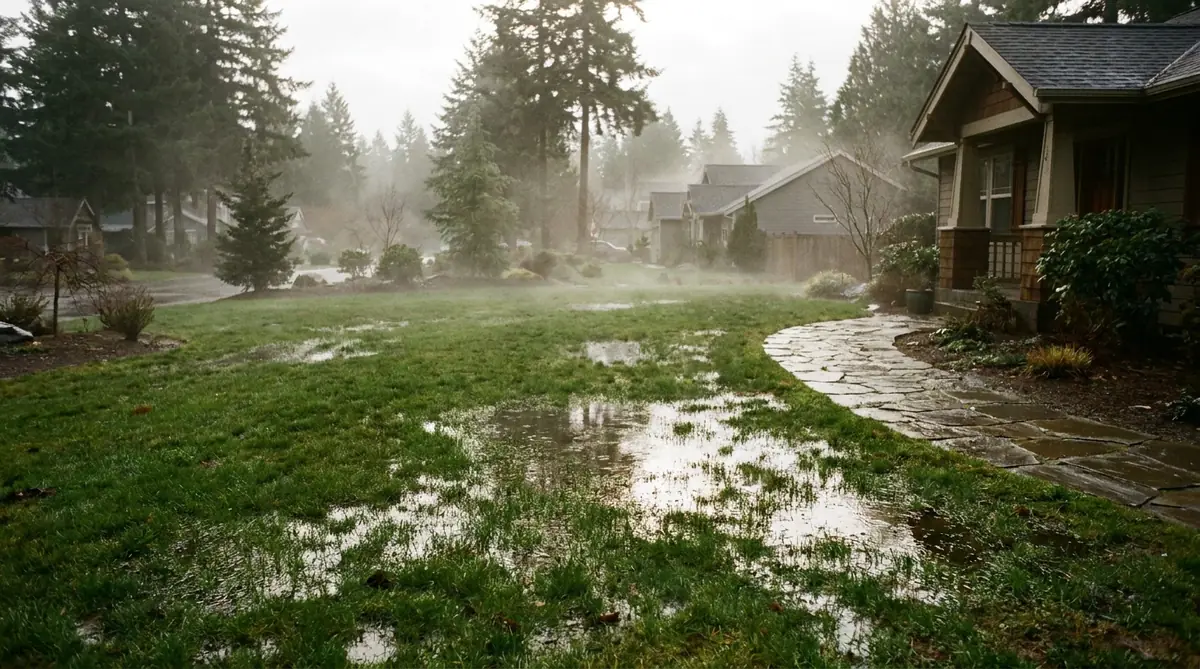
Can Moles Swim?
Yes — moles can swim. They paddle short distances across flooded tunnels or creeks when they need to. What that means for Western WA yards.
April 30, 2025
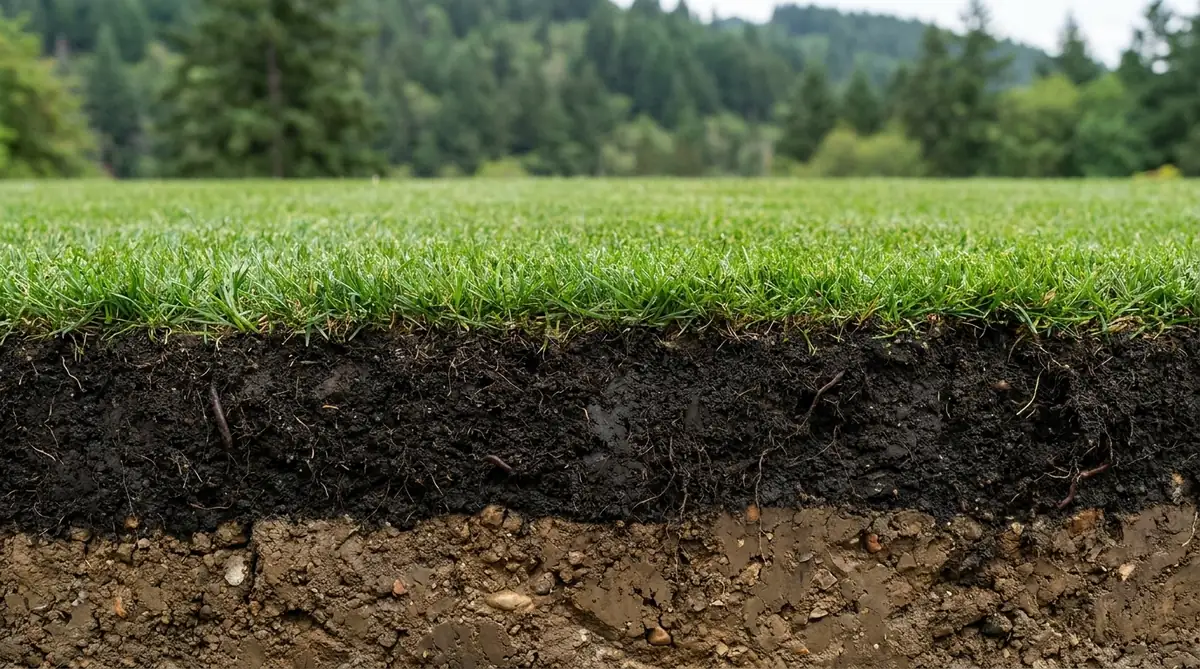
How Deep Do Moles Dig?
Mole tunnels sit 1 to 20 inches deep. Feeding tunnels run 1-4 inches under the surface; permanent deep runs go 6-20+ inches, following foundations and edges.
April 1, 2025
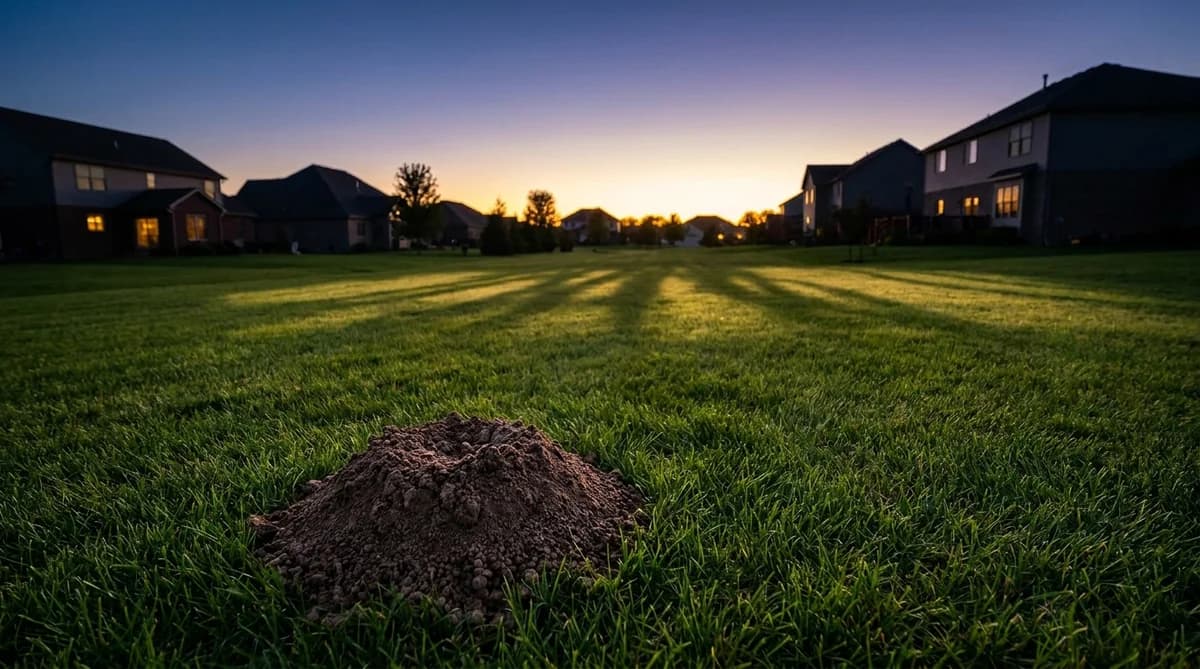
Are Moles Nocturnal?
Moles aren't strictly nocturnal — they're crepuscular (dawn and dusk active) and run 24/7 on roughly 4-hour cycles of foraging and rest.
February 1, 2025
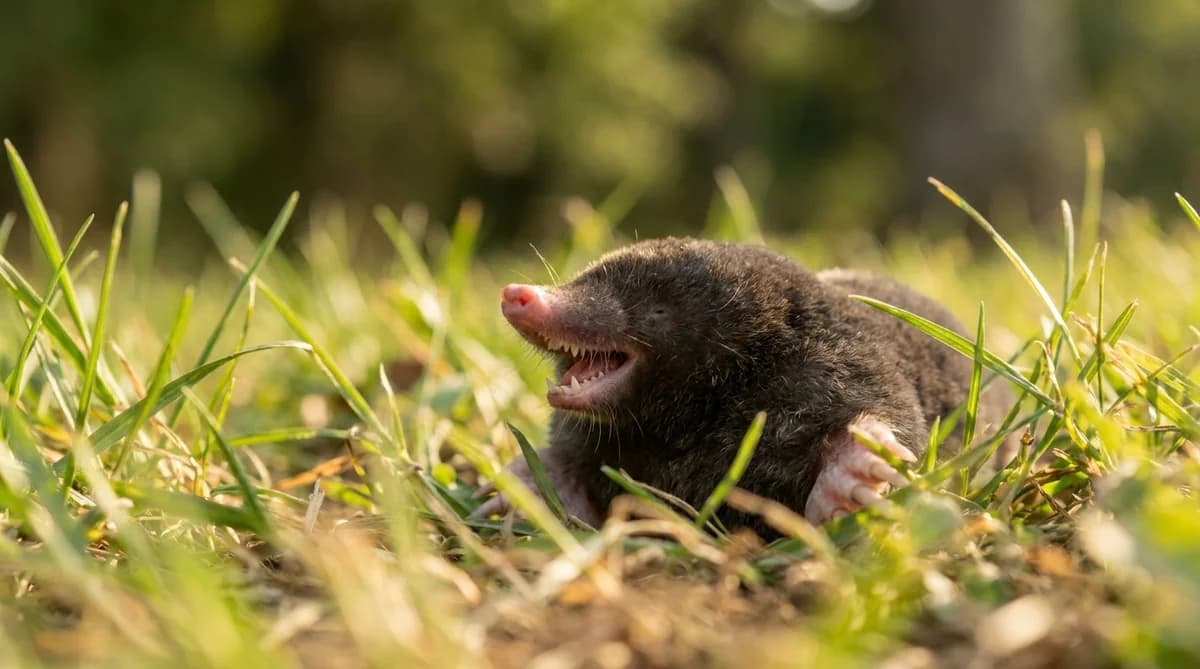
Do Moles Bite?
Moles can bite, but it's rare. They're solitary underground animals that flee first and bite only as a last resort — and not when left alone.
December 12, 2024
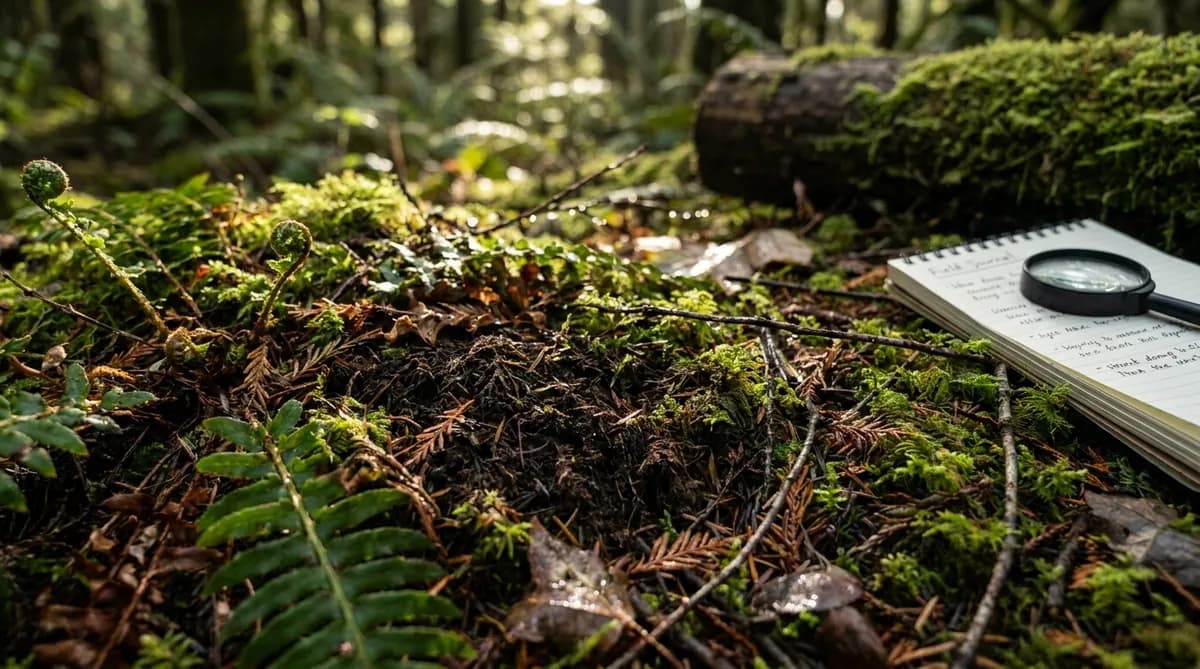
Is a Mole a Rodent?
No — moles are not rodents. They belong to Eulipotyphla and are more closely related to shrews and hedgehogs than to rats, mice, or gophers.
November 22, 2024
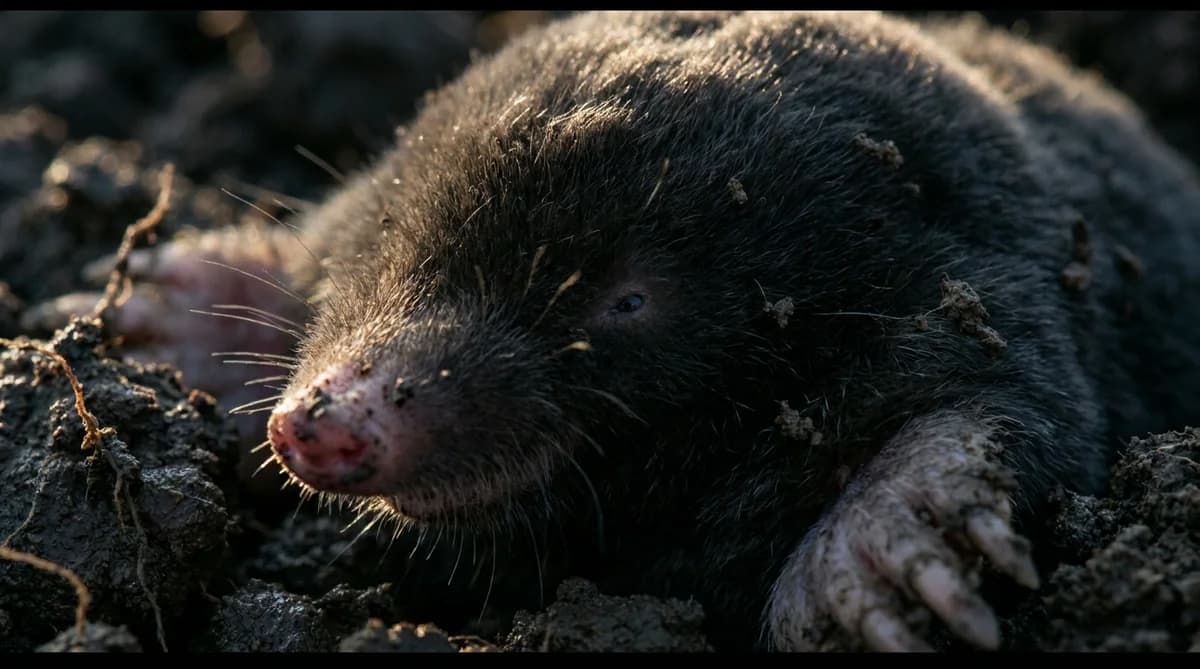
How Many Eyes Do Moles Have?
Moles have two eyes — same as most mammals. They're tiny, covered by fur or skin, and barely functional. Here's what moles actually sense underground.
October 24, 2024
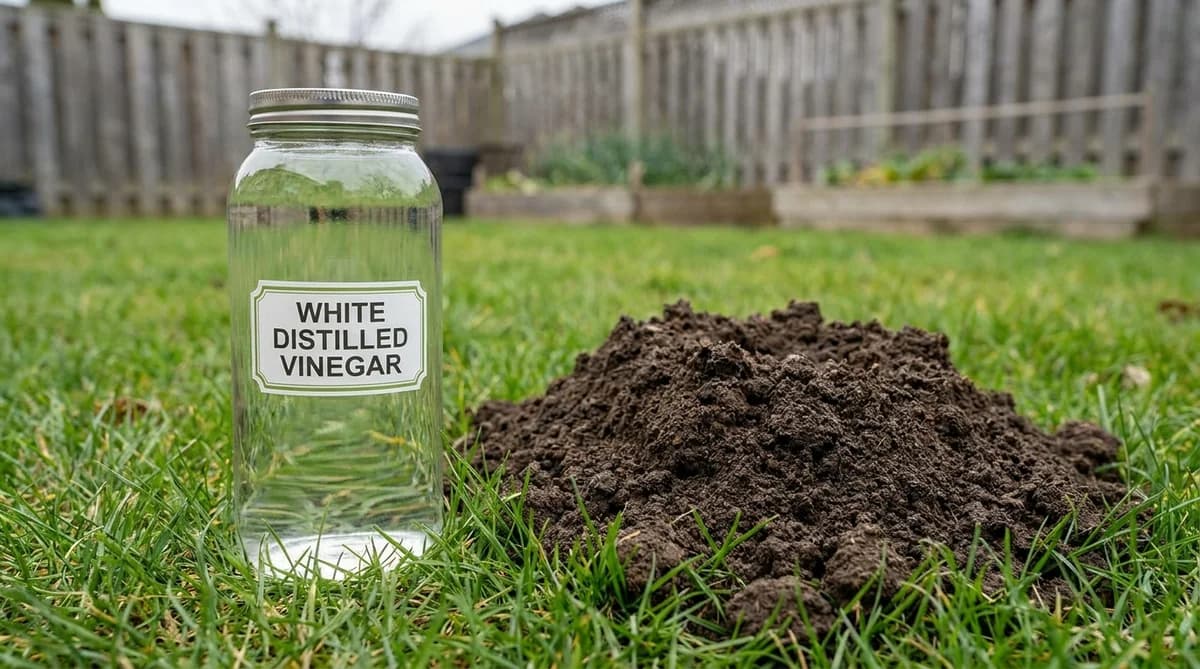
How to Get Rid of Ground Moles with Vinegar
Vinegar is a popular home remedy for moles — it almost never works. PNW rainfall washes it out in days and moles just reroute around treated ground.
August 29, 2024
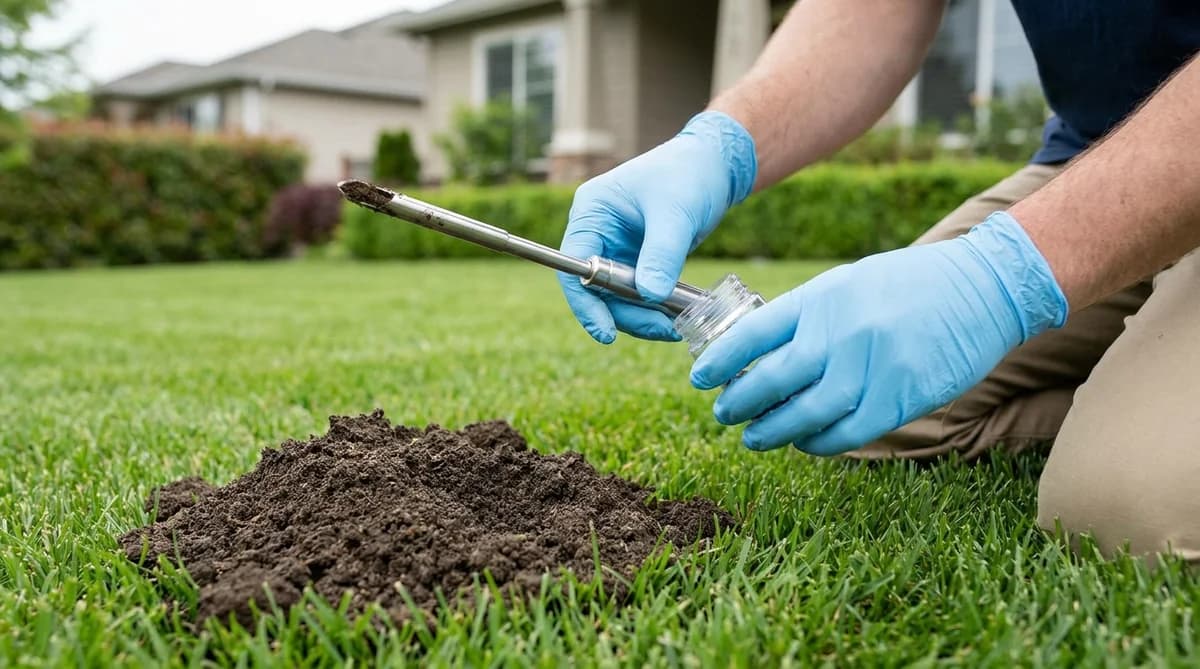
Do Moles Carry Diseases?
Moles are a very low disease risk to humans. No rabies, no direct Lyme. The real concern is the fleas, ticks, and mites a mole can host.
July 16, 2024
About the Got Moles Blog
Spencer Hill
Founder, Got Moles · US Army veteran · 15+ years mole control specialist
Every article on this blog is written from real field experience — nearly 5,000 mole control jobs across Western Washington since 2017, plus 15+ years before that. There's no recycled generic mole-removal advice here. Every piece is grounded in the actual conditions of Puget Sound lowland soils, the three native Washington mole species (Townsend's, Pacific Coast, Shrew), and the seasonal patterns we see across King, Pierce, Snohomish, and Thurston counties.
We focus on what actually works (chemical-free physical trapping by trained specialists), what doesn't (sonic stakes, castor oil, grub control), and the trade-offs in between (DIY vs professional, one-time removal vs ongoing protection). The goal is honest, field-tested advice that helps homeowners make the right call for their specific yard.
Got Moles serves all of Western Washington with chemical-free mole control. One-Time Mole Removal ($450 flat rate, results guarantee) or the year-round Total Mole Control Program ($100/month). Call (253) 750-0211 or request a free quote.
About This Blog — FAQ
Who writes the Got Moles blog?
Spencer Hill, founder of Got Moles, with editorial input from the field team. Spencer is a US Army veteran with 15+ years of mole control experience and has personally led nearly 5,000 mole control jobs across Western Washington since 2017. Every article is grounded in field observations from real properties in King, Pierce, Snohomish, and Thurston counties.
What does the Got Moles blog cover?
Mole biology and identification (Townsend's, Pacific Coast, and Shrew mole — the three Western Washington species), mole control methods that actually work, the methods that don't (sonic stakes, castor oil, grub control), pet and child safety considerations, seasonal mole activity patterns in the Pacific Northwest, cost and value comparisons, and DIY vs professional control trade-offs. All content is Western Washington specific.
Is the advice on this blog Washington-specific?
Yes. Western Washington has a unique combination of mild winters, year-round rainfall, and earthworm-rich soils that creates dense Townsend's mole populations. Most generic 'how to get rid of moles' advice is written for the Eastern US or the UK and doesn't account for PNW conditions. Every article on this blog is grounded in 15+ years of field experience across the Puget Sound lowlands.
How often is the blog updated?
New articles ship as the team encounters questions worth answering at depth. Existing articles are reviewed and refreshed annually, with seasonal articles updated each spring and autumn to reflect current activity patterns.
I have a mole problem now. Where do I start?
Start with How to Get Rid of Moles in Your Yard (the cornerstone guide), then Best Mole Traps if you're considering DIY, or DIY vs Professional Mole Control if you're weighing whether to call in a specialist. If you're in our service area and want to skip the reading, call (253) 750-0211 for a quote.