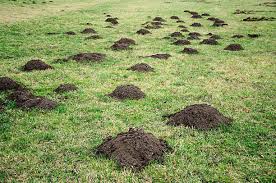


Silent tunnels, hidden lives, and a reputation built on mystery—few animals spark curiosity quite like moles. Homeowners often notice the signs before the animal itself: raised soil, winding ridges, and damaged lawns. This leads to one of the most common questions we hear at Got Moles: are moles venomous?
In this in-depth guide, Got Moles breaks down the science, myths, and real risks associated with moles. Using expert facts, real-world wildlife insights, and professional pest control experience, we’ll help you understand mole behavior, safety concerns, and when professional removal services are the right solution.
Are Moles Venomous or Just Misunderstood?
The short answer is surprising: some moles are technically venomous, but not in the way most people imagine. Unlike venomous animals such as snakes or spiders, moles do not inject venom through fangs. Instead, certain species—most notably the short-tailed shrew-like mole—produce a mild toxin in their saliva.
This venom helps immobilize prey like insects and worms, allowing the mole to store food for later. According to wildlife facts supported by research often cited by Getty and other animal studies, this venom poses very little risk to humans. At Got Moles, we emphasize that understanding the distinction between scientific venom and actual danger is key.
Venomous Animals vs. Moles
When people think of venomous animals, they imagine aggressive creatures capable of causing severe harm. Moles don’t fit that category. Their venom is weak, not designed for defense, and primarily affects small prey.
Unlike rodents or aggressive pests, moles are solitary animals focused on survival underground. Got Moles often reminds homeowners that fear usually comes from lack of identification. Proper wildlife identification helps determine whether an animal truly presents a threat or simply needs humane removal.
Moles and Mole Behavior Beneath the Surface
Mole behavior explains why encounters with humans are rare. Moles spend nearly all their time underground, using their powerful front limbs to dig complex tunnel systems. They are not territorial toward humans and avoid surface exposure whenever possible.
At Got Moles, our wildlife control specialists observe that moles surface mainly due to environmental disruption—flooding, lack of food, or habitat changes. This behavior explains why bites are extremely uncommon and usually defensive rather than aggressive.
Do Moles Bite Humans? What Happens If a Mole Bites?
One of the most searched questions is whether moles bite humans. The truth: moles can bite, but they almost never do unless handled or threatened. A mole bite is typically minor, similar to a rodent nip.
However, Got Moles advises caution. Any animal bite carries potential health risks, including bacteria or diseases. While moles carry fewer diseases than many pests, it’s always wise to clean a bite thoroughly and seek medical advice if swelling or irritation occurs.
Mole Bites, Diseases, and Are Bites Dangerous?
Are mole bites dangerous? In most cases, no. Mole bites are rarely severe, and their venom is not potent enough to harm humans. Still, moles carry bacteria and parasites common to wild life animals.
At Got Moles, we stress that even low-risk bites shouldn’t be ignored. Infections can occur if wounds aren’t treated properly. This is why professional wildlife control and removal services are safer alternatives than attempting DIY handling.
Moles, Shrews, and the Venom Connection
Interestingly, moles are closely related to shrews, another small mammal known for venomous saliva. The shrew’s venom is stronger than that of most moles, which may explain why confusion exists.
From a pest control perspective, Got Moles frequently encounters homeowners who mistake shrews for moles. Proper identification ensures the correct mole control strategy and avoids unnecessary fear or ineffective removal efforts.
Why Moles Become a Pest Problem?
While moles aren’t aggressive, they are undeniably destructive. Their tunneling damages lawns, gardens, and landscapes, making them a serious pest issue. These tunnels also attract other pests and compromise soil stability.
Got Moles specializes in mole control solutions that address the root of the problem—not just surface damage. Effective pest control considers mole behavior, food sources, and habitat conditions to prevent future infestations.
Professional Mole Control and Wildlife Removal Services
Handling wild life animals requires expertise. DIY removal attempts often fail or make the problem worse. Got Moles provides humane, effective wildlife control and removal services tailored to your property.
Our services include inspection, identification, targeted removal, and long-term control strategies. Whether you’re dealing with a single mole or widespread damage, Got Moles ensures safe, professional solutions backed by experience and trust.
Facts Homeowners Should Know Before Taking Action
Here are essential facts every homeowner should remember:
- Moles are not aggressive animals
- Their venom is mild and rarely harmful
- Mole bites are uncommon and usually defensive
- Professional pest control minimizes risk
- Proper wildlife removal protects both humans and animals
At Got Moles, we believe education is the first step toward effective pest management.
Contact Got Moles today
Don’t let underground mystery undermine your peace of mind. If mole damage is affecting your property, trust Got Moles to deliver expert mole control and wildlife removal services with care and precision. Contact Got Moles today and let our professionals restore your landscape—safely, humanely, and effectively.