
Mole Control in Centralia
Centralia homeowners are some of the most loyal followers of our mole-control work in Western Washington. Rich Chehalis River valley soil, extensive pasture and farm ground, and decades of established suburban lawns create textbook conditions for Townsend's moles. Got Moles serves the Centralia area with the same chemical-free, professional trapping methods we use across our core service region.
Call (253) 750-0211219+ Five-Star Google Reviews·Chemical-Free·Proven Results
Got Moles provides professional mole control in Centralia, Washington. Chemical-free methods. Nearly 5,000 clients served since 2017. Call (253) 750-0211 for a free quote.
Centralia sits at the midpoint between Seattle and Portland, where Interstate 5 crosses the Chehalis River valley. It's one of the older towns in the state — incorporated in 1886 — and still carries that character through the historic downtown, the Fox Theatre, and the outlet shopping that draws weekend traffic from both directions. Beyond the I-5 corridor, the community stretches into farmland, riverfront, and wooded properties on the Cowlitz Prairie edge.
Why Moles Thrive in Centralia
The Chehalis River floodplain underlies much of Centralia, producing some of the deepest, most earthworm-rich alluvial soil in Western Washington. When a town sits on that kind of ground and surrounds itself with irrigated lawns, pasture, and agricultural fields, mole populations follow. Lewis County records over 45 inches of annual rainfall, and Centralia's relatively flat grade holds moisture in the topsoil for much of the year. That's the exact combination — soft, damp, worm-heavy ground — that Townsend's moles spread through faster than in hillier, drier parts of the Puget Sound region. Proximity to the Chehalis River corridor, the Skookumchuck River, and Borst Park means properties near water carry the heaviest mole pressure.
Moles in Centralia Neighborhoods
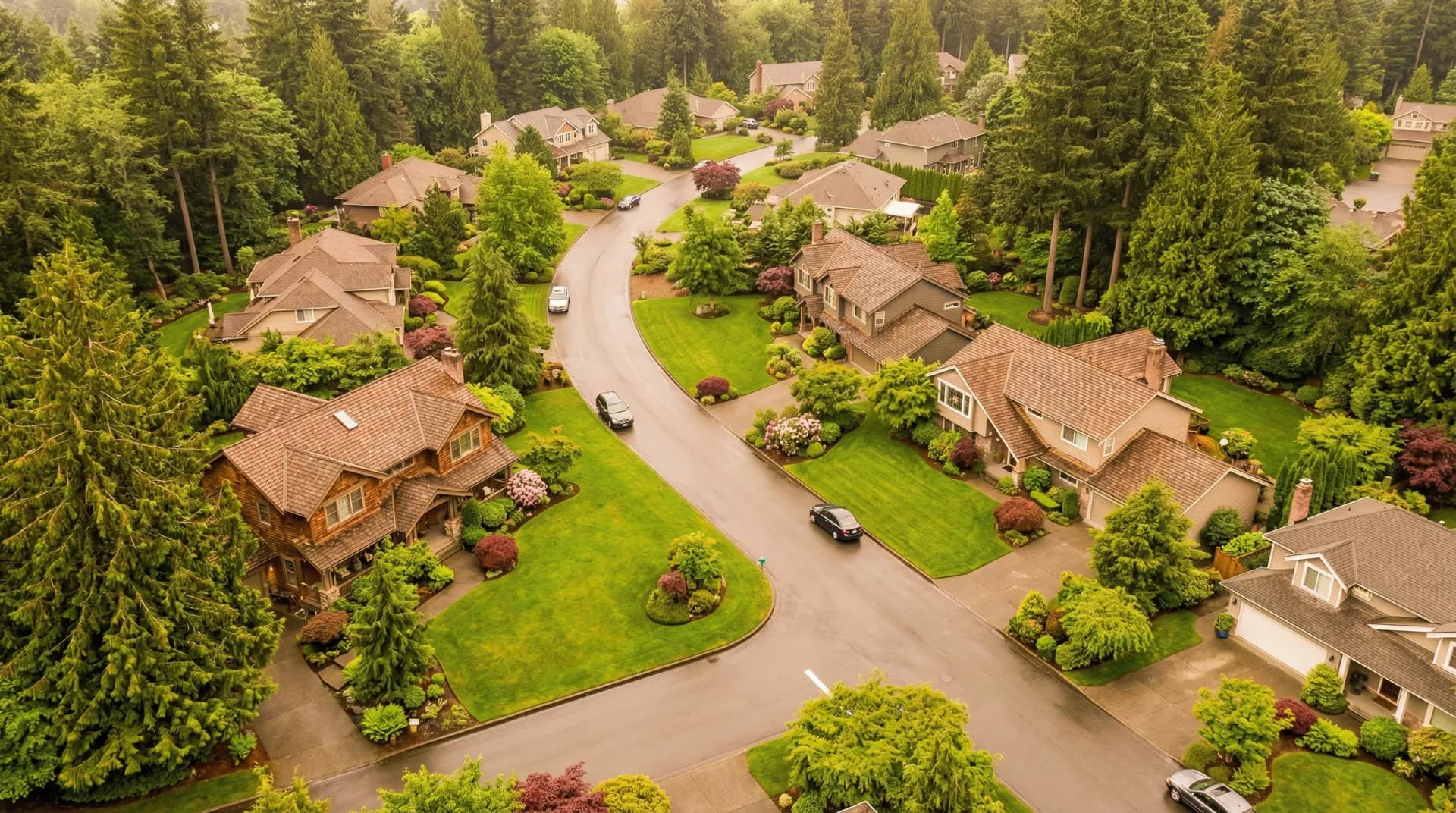
Downtown-adjacent neighborhoods, with older homes and mature yards established over several decades, typically sit on some of the deepest topsoil in the city — and see the most persistent mole activity. Properties along the Chehalis River and around Borst Park deal with ongoing recolonization from the riparian corridor. Outside the core grid, acreage properties on the Cowlitz Prairie edge and along Big Hanaford Road carry mole populations that move between pasture, hayfield, and residential lawn. Farm properties with irrigated hay and orchard ground are particularly active. Newer developments on the east side of I-5 see moles moving in from surrounding agricultural land, especially after wet winters.
How We Help Centralia Homeowners
Year-Round Mole Control
$100/month
Our Total Mole Control Program keeps your yard protected all year. Regular visits, immediate response to new activity, and a report after every check.
Get Year-Round Protection→One-Time Mole Removal
$450 flat rate
A focused, one-month eradication program for properties under 1 acre. 4-5 weekly visits. If we don't catch a mole, you only pay the $150 setup fee.
Get One-Time Removal→Commercial Mole Control
Custom quote
Annual contracts for property managers, HOAs, sports facilities, and commercial grounds. Professional reporting, reliable scheduling.
Get a Commercial Quote→Local Tip
If your property borders farmland, hay pasture, or the Chehalis River corridor, expect ongoing mole pressure rather than one-off activity. Centralia's water-rich soil supports large resident populations, and clearing an area usually draws new moles in within a few months. An ongoing protection model tends to work better here than a single-visit approach.
How It Works
Call
Phone quote, no obligation
Book
Pay $150 setup. We schedule your first visit.
Trap
Tech inspects and sets traps on the first visit
Report
Weekly checks. Written report every visit.
Centralia Mole Control FAQ
I've tried store-bought traps and the moles keep coming back. Does that happen a lot in Centralia?
It happens almost every time on Centralia-area ground. The issue isn't usually the trap itself — it's placement. Townsend's moles run distinct deep tunnels and shallow feeding runs, and a trap in the wrong layer gets ignored. Centralia's deep alluvial soil also means active mole runs can sit eighteen inches down, well below where a homeowner tends to dig. Professional placement is about reading the tunnel system, and that's the piece DIY rarely gets right.
Does the rain affect when moles are most active here?
Yes, significantly. Centralia's 45+ inches of annual rainfall keeps the soil loose and earthworm-rich for most of the year, which means moles stay busy through fall, winter, and spring far more than in drier parts of the state. The peak is typically March through June when soil warms and earthworm populations surge. Late summer is usually the quietest window if your property isn't irrigated — if it is, there's no real off-season.
We're on a rural property near the Chehalis River. Can you realistically cover that much ground?
We regularly work larger parcels in Western Washington, including acreage properties near rivers and farmland. The approach on rural ground is different from a suburban lot — we focus on the high-value zones (lawn, immediate yard, barn surrounds) and manage the perimeter rather than trying to clear the entire parcel. We build a plan around the ground you actually care about.
Is chemical-free trapping actually as effective as poisons?
More effective, in our experience. Poisons designed for moles either don't consistently work (mole-specific baits have well-documented variable results) or rely on general rodenticides that moles rarely eat because earthworms are their primary food. Physical trapping placed correctly in an active tunnel is by far the most reliable way to remove a mole. And because it's chemical-free, there's no risk to pets, kids, wildlife, or groundwater — important for properties near the Chehalis River.
How quickly can you respond to a Centralia call?
Turnaround varies by season. In the peak March–June window we're booked heaviest, so scheduling tends to run a week or two out. In quieter months the turnaround is usually faster. Call (253) 750-0211 to confirm current availability. If mole damage is actively spreading on a new lawn or high-value landscaping, say so when you call — we prioritize properties where every week of waiting compounds the damage.
Ready for Mole-Free Living in Centralia?
Call (253) 750-0211 or fill out the form below.
CALL (253) 750-0211Free quote. No obligation.